Context
Synorios is an AI product developed within BAMHUB, where I act as Lead Designer.
Synorios is an AI product developed within BAMHUB, where I act as Lead Designer.
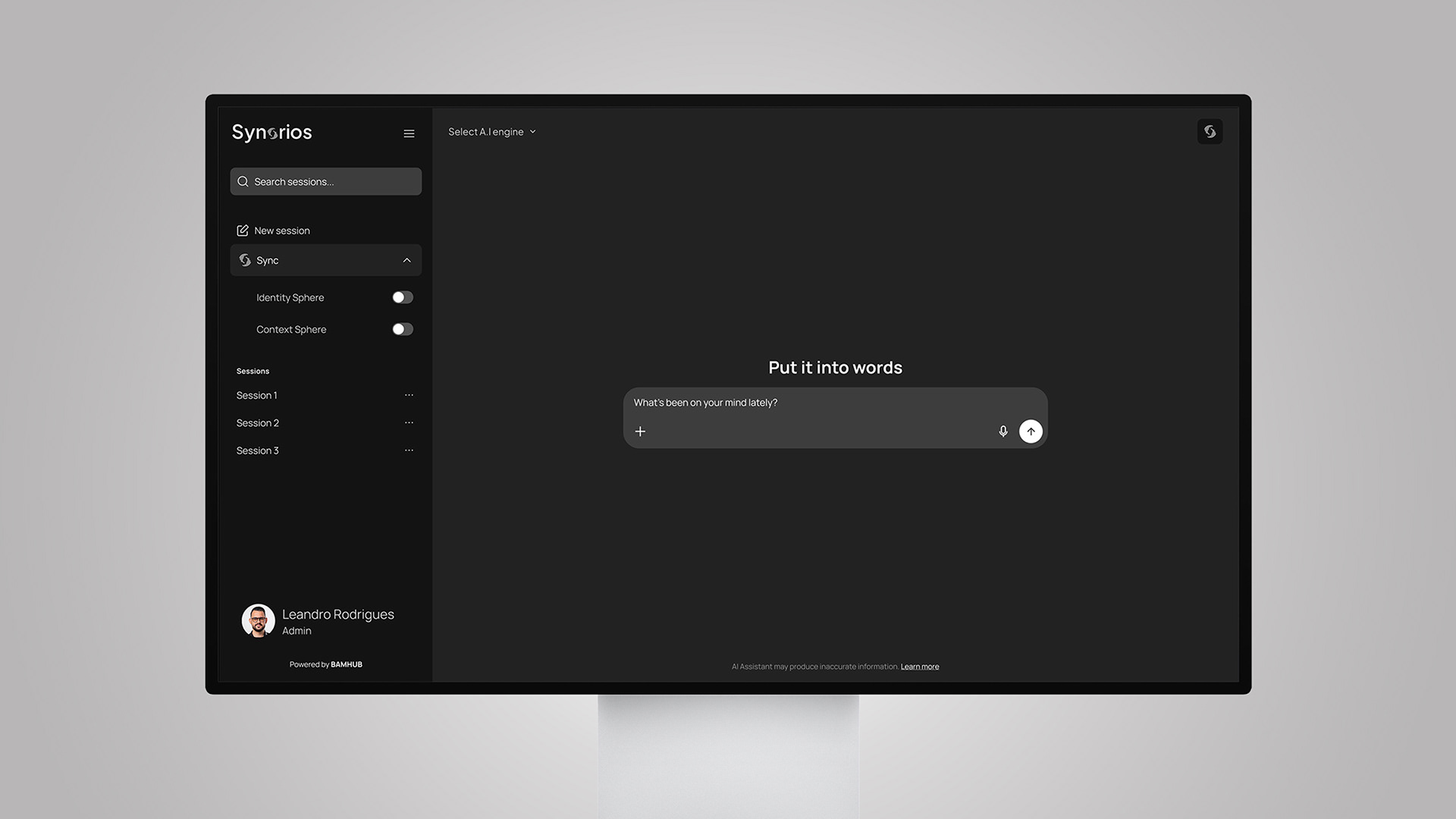
The project started as an MVP with a clear strategic direction: enter a competitive AI landscape through familiarity, while building the foundation for a system that goes beyond prompt-based interactions.
At first glance, Synorios behaves like a standard AI assistant. But its core proposition is different. Instead of treating each interaction as isolated, it is designed to accumulate, structure and refine understanding over time.
This becomes especially relevant when considering one of the core limitations of current AI systems: context windows. Most tools can only process and retain a limited amount of information per interaction, which leads to fragmented conversations and constant repetition of context.
Synorios approaches this problem by structuring information outside of the conversation itself, creating continuity that persists across interactions.
Challenge
The challenge was not just to design an interface, but to define a product that addresses structural limitations of current AI tools.
The challenge was not just to design an interface, but to define a product that addresses structural limitations of current AI tools.
- Lack of continuity between interactions
- Dependence on limited context windows
- Repetitive input of user context across conversations
- Generic responses due to shallow understanding
- Dependence on limited context windows
- Repetitive input of user context across conversations
- Generic responses due to shallow understanding
The core problem was designing a system that remains simple and familiar on the surface, while building a deeper layer of structured, persistent understanding.
My Role
As Lead Designer, I led the product and design direction, working with two product designers throughout the project.
As Lead Designer, I led the product and design direction, working with two product designers throughout the project.
- Defined product direction and interaction principles
- Contributed to product strategy and core concept definition
- Led UI, UX and design system foundations
- Orchestrated design alongside ongoing development
- Contributed to product strategy and core concept definition
- Led UI, UX and design system foundations
- Orchestrated design alongside ongoing development
My role extended beyond interface design, connecting product thinking, system design and execution in a context where everything was being built simultaneously.
Process
The process balanced speed and structure, designing for immediate usability while defining long-term system logic.
The process balanced speed and structure, designing for immediate usability while defining long-term system logic.
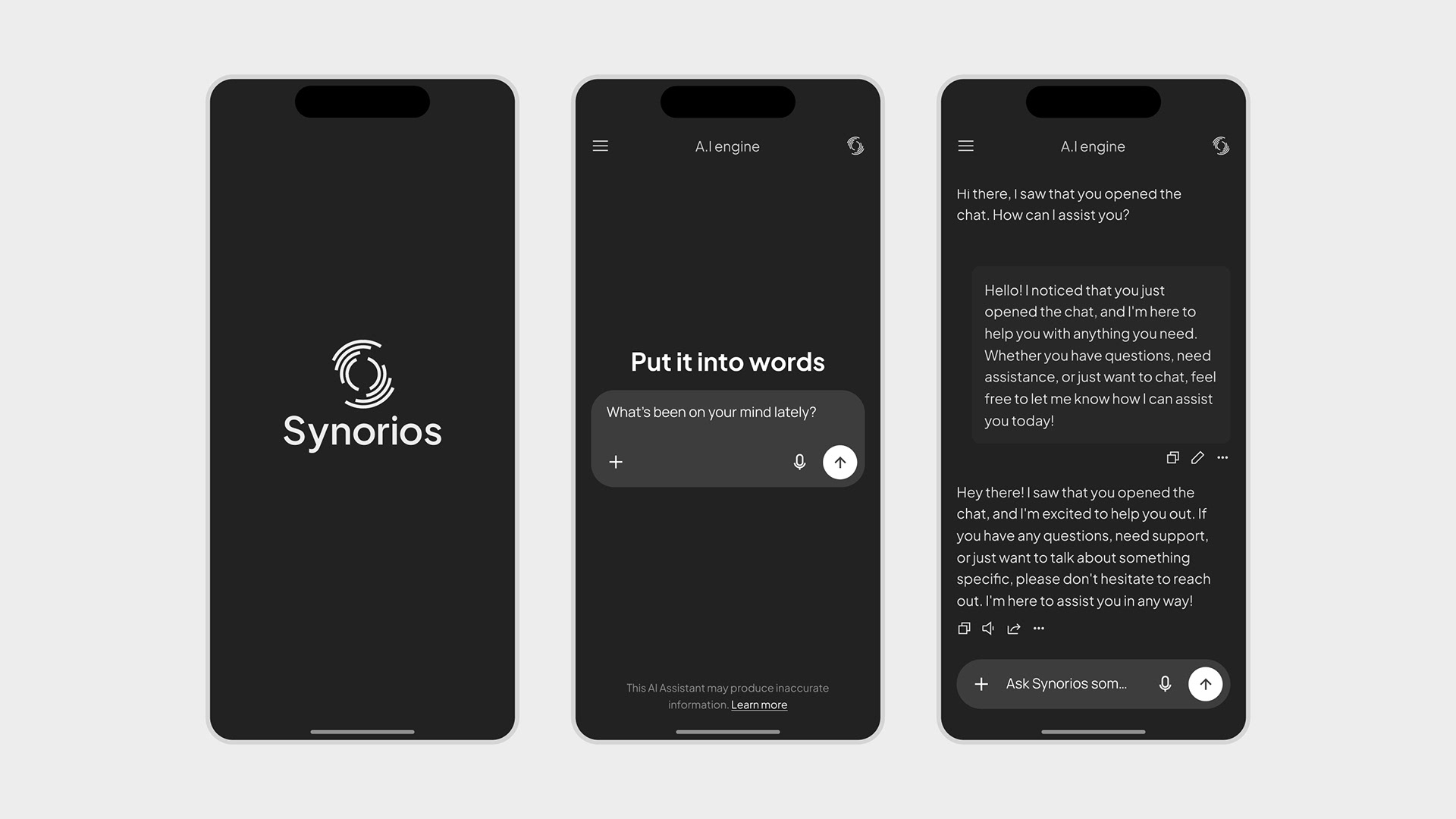
- Started with wireframes based on familiar AI interaction patterns
- Developed early prototypes to validate usability and reduce friction
- Built UI and design system components in parallel with the product
- Defined the concept of “spheres” as structured layers of understanding
- Developed early prototypes to validate usability and reduce friction
- Built UI and design system components in parallel with the product
- Defined the concept of “spheres” as structured layers of understanding
These spheres organize information across identity, context, work, relationships and environment, allowing the system to store and connect what would otherwise be lost between interactions.
Design and development happened simultaneously, requiring continuous decision-making and alignment as the product evolved.

Solution
The solution combines a familiar conversational interface with a structured model of persistent understanding.
The solution combines a familiar conversational interface with a structured model of persistent understanding.
- Introduced a sphere-based system to organize user context
- Enabled continuity beyond individual conversations
- Reduced dependence on context window limitations
- Designed a system that evolves with each interaction
- Enabled continuity beyond individual conversations
- Reduced dependence on context window limitations
- Designed a system that evolves with each interaction
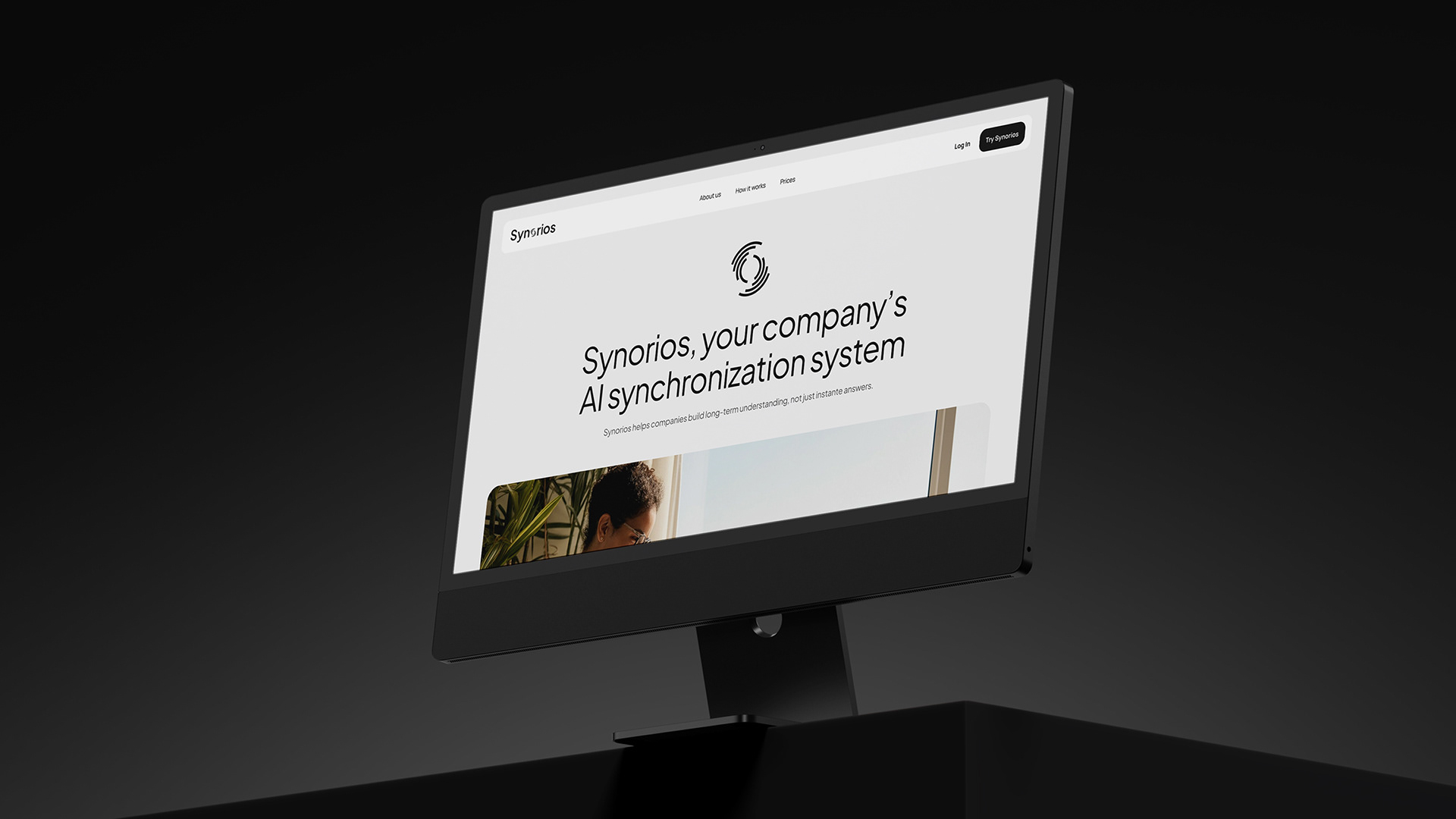
Instead of relying only on prompts, Synorios builds a layered understanding of the user, where each interaction contributes to a broader and more consistent system. The result is not just better responses, but more relevant, contextual and aligned interactions over time.
Outcome
Synorios is currently in internal testing, evolving from MVP into a more structured and scalable product.
Synorios is currently in internal testing, evolving from MVP into a more structured and scalable product.
- Established a foundation for continuous, context-aware interactions
- Reduced friction caused by repeated input and lost context
- Created a scalable structure for evolving user understanding
- Positioned the product beyond generic AI assistants
- Reduced friction caused by repeated input and lost context
- Created a scalable structure for evolving user understanding
- Positioned the product beyond generic AI assistants
The product moves from reactive interactions to a system that accumulates knowledge and refines itself continuously.

Closing
Synorios explores a shift in how AI products can be designed. From tools that respond within limited context, to systems that build and maintain understanding over time. The interface remains simple and familiar. The intelligence becomes deeper with every interaction.
Credits: BAMHUB
Lead Designer: Leandro Rodrigues
Digital Designers: Hugo Barbosa e Rafael de Paula