Role: Product Designer
Duration: December 2025 - Abril 2026
Client: BAMHUB (Luxembourg)
Platform: Marketplace / E-commerce / SaaS
Responsibilities: Product Strategy • UX • UI • Design System • AI Workflow • Prototyping
Duration: December 2025 - Abril 2026
Client: BAMHUB (Luxembourg)
Platform: Marketplace / E-commerce / SaaS
Responsibilities: Product Strategy • UX • UI • Design System • AI Workflow • Prototyping
Overview
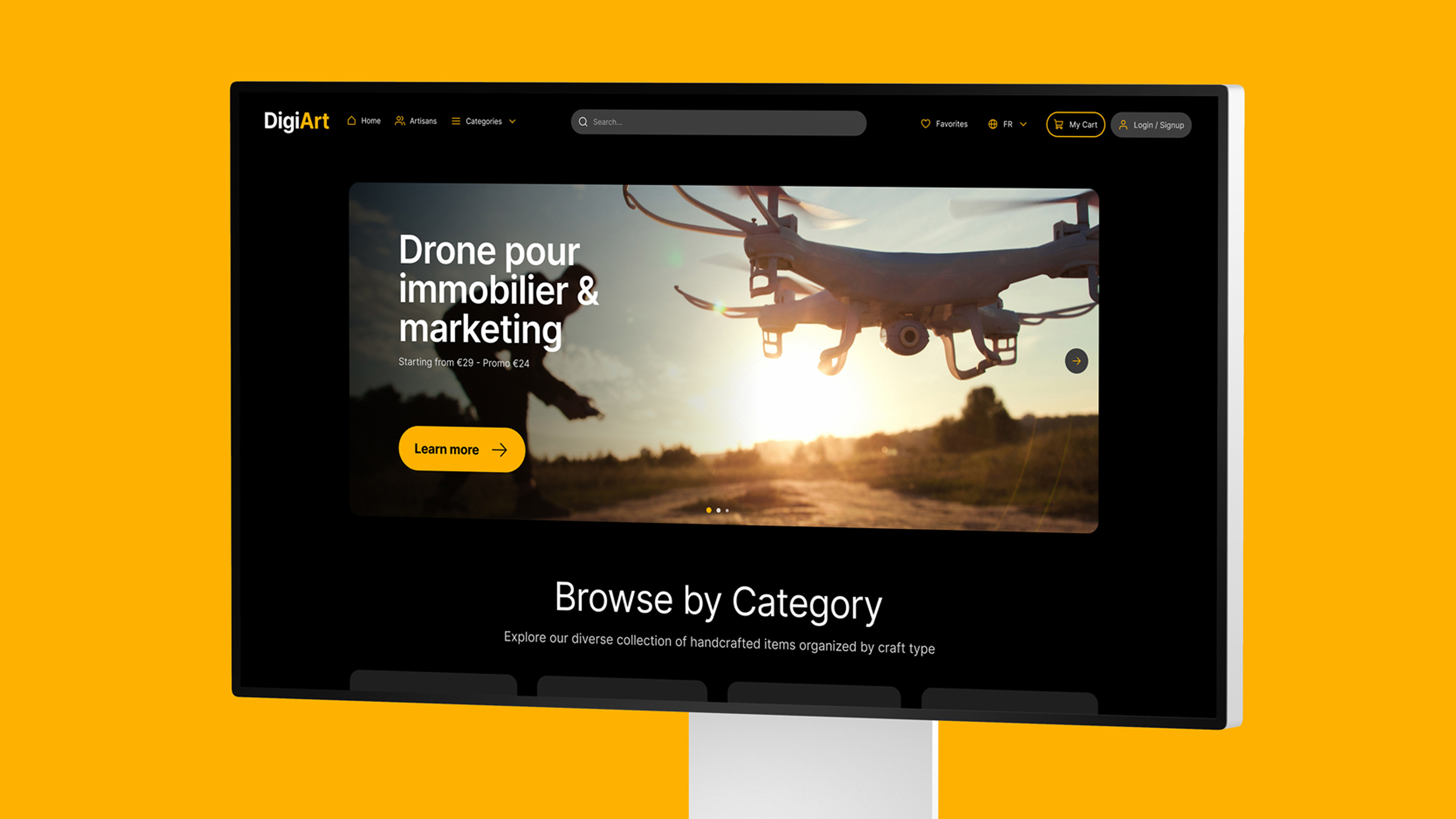
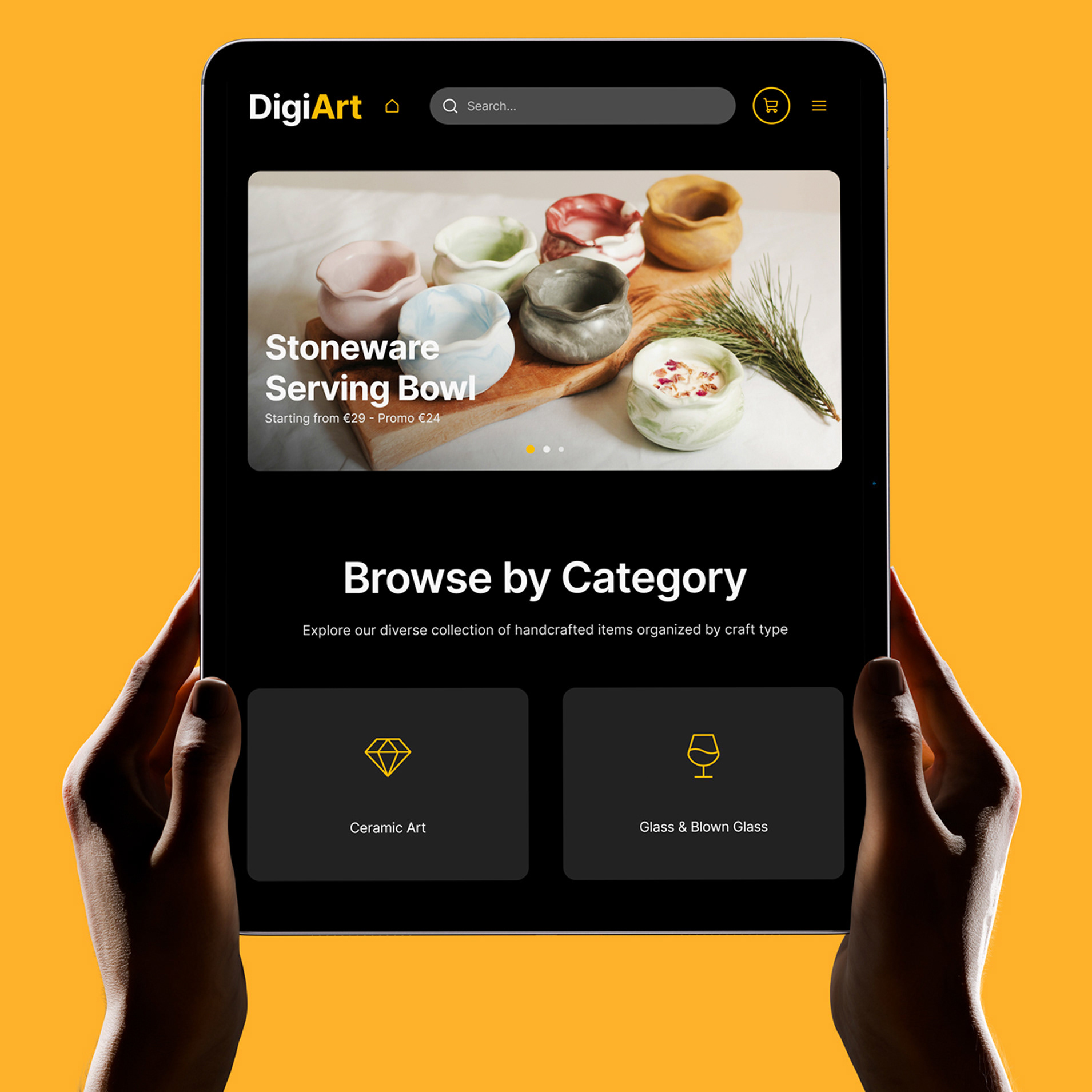
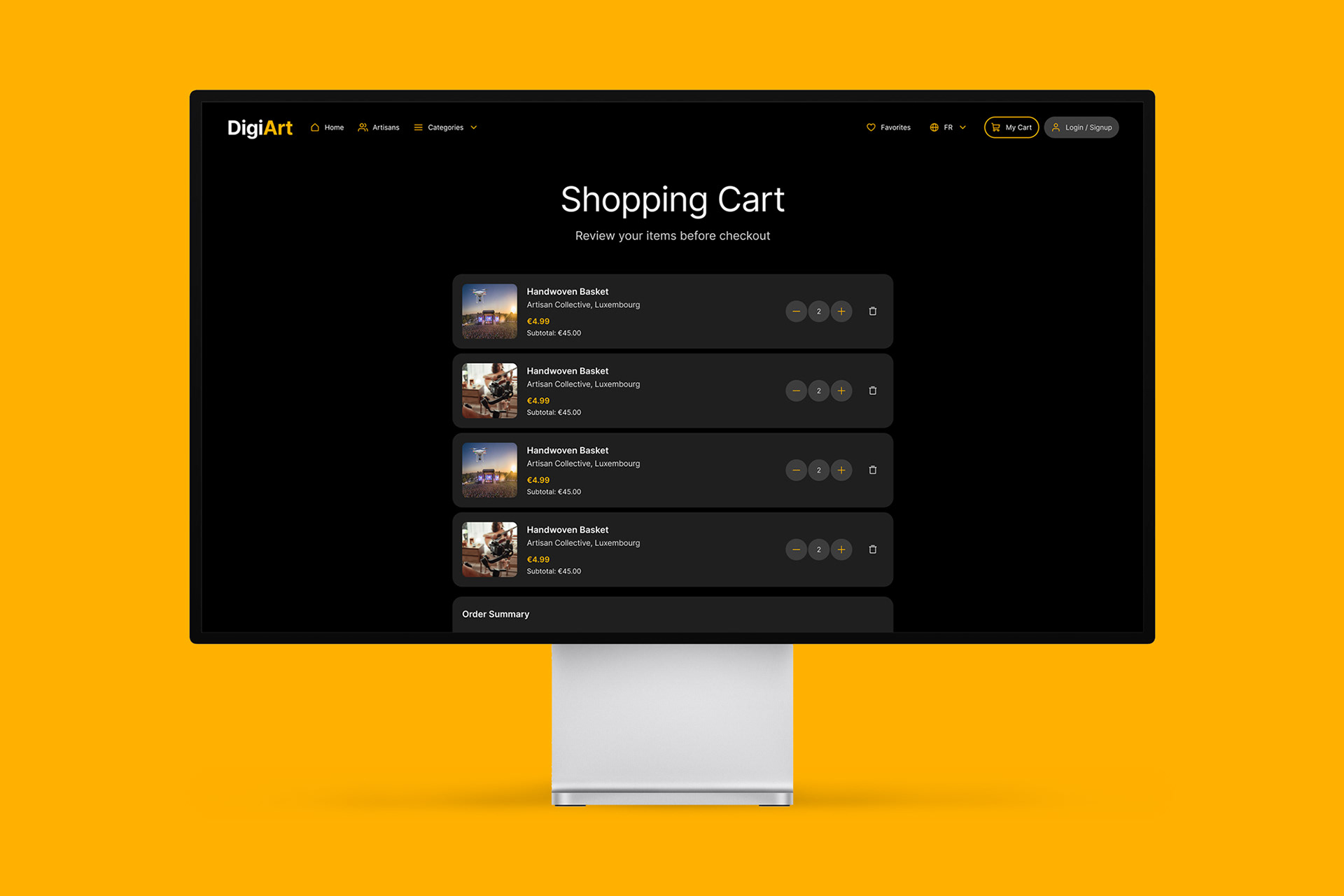
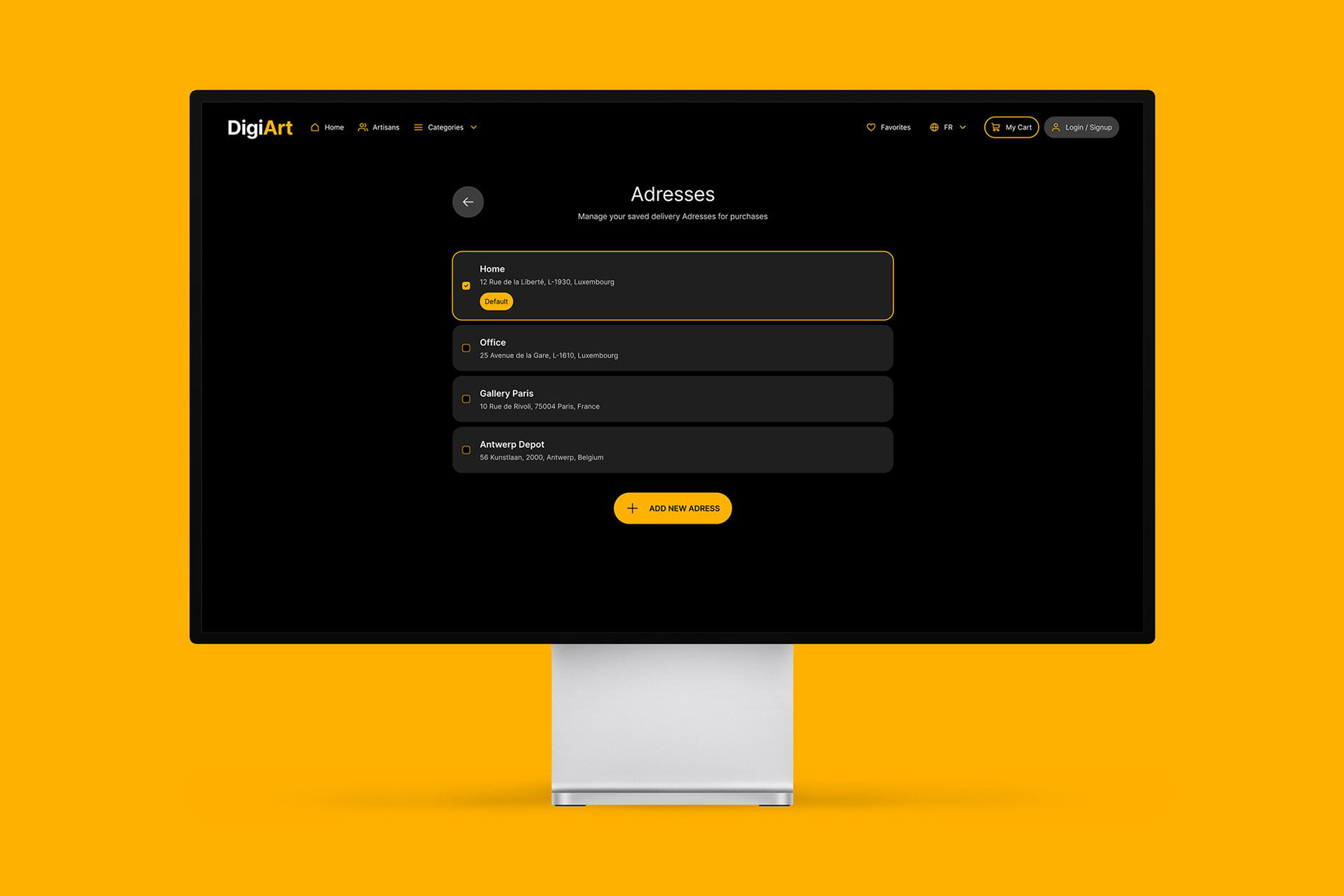
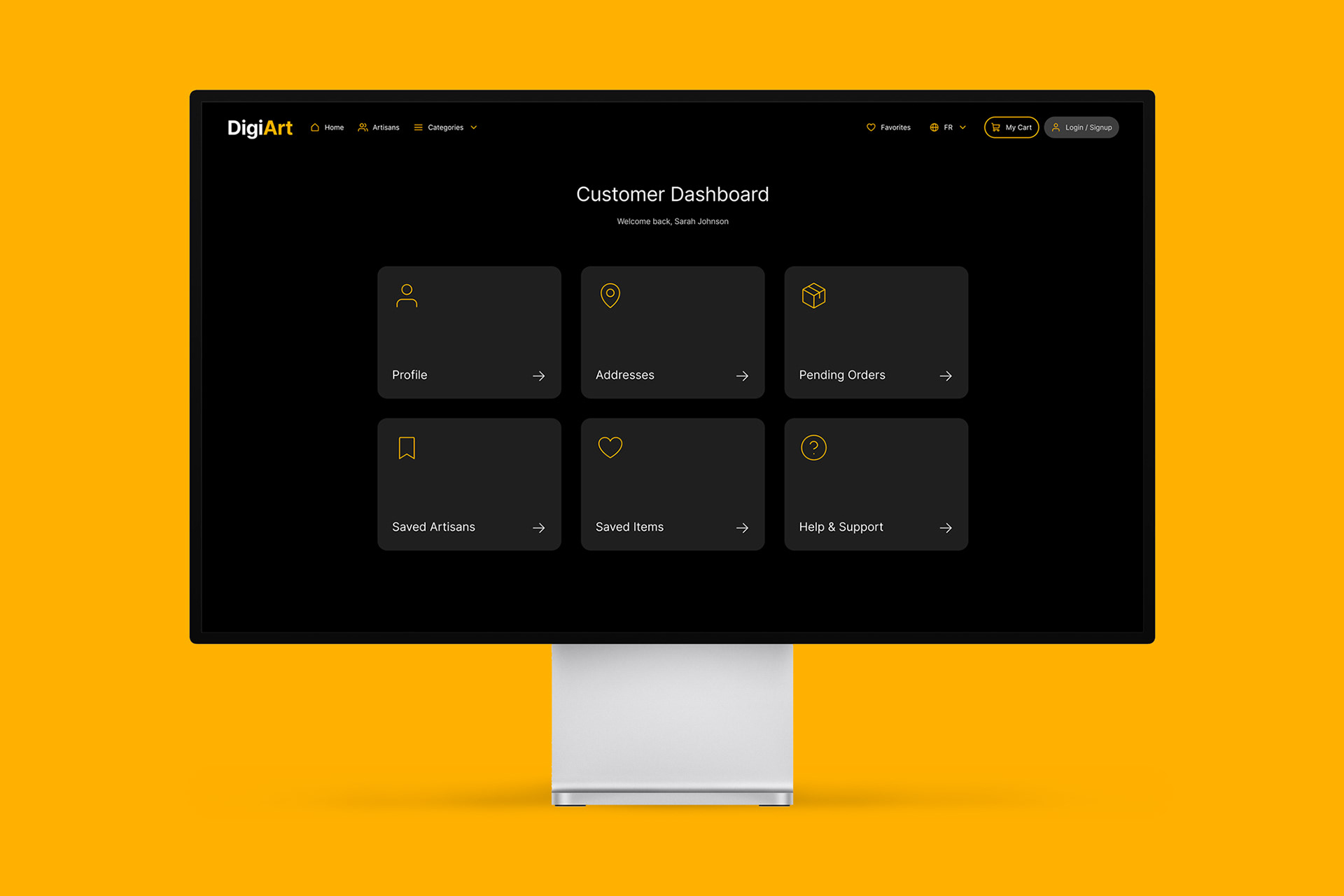
DigiArt is a multi-user marketplace designed for artisans across Luxembourg, France, Belgium and Germany. Unlike a traditional e-commerce platform, it had to support three distinct user groups—customers, artisans and administrators—while handling complex business rules such as seller approval, international shipping and role-based permissions.
I joined the project as the Product Designer, responsible for transforming a complex marketplace concept into a scalable digital product. My work covered the entire product design process, from product definition and information architecture to UI design, Design System development, prototyping and developer handoff.
The Challenge
The complexity of DigiArt came from the platform itself rather than the interface. The product needed to support multiple user types while maintaining a coherent experience across every interaction.
Key challenges included:
- Multiple user roles with different permissions.
- Artisan approval workflow.
- International shipping logic.
- Product management.
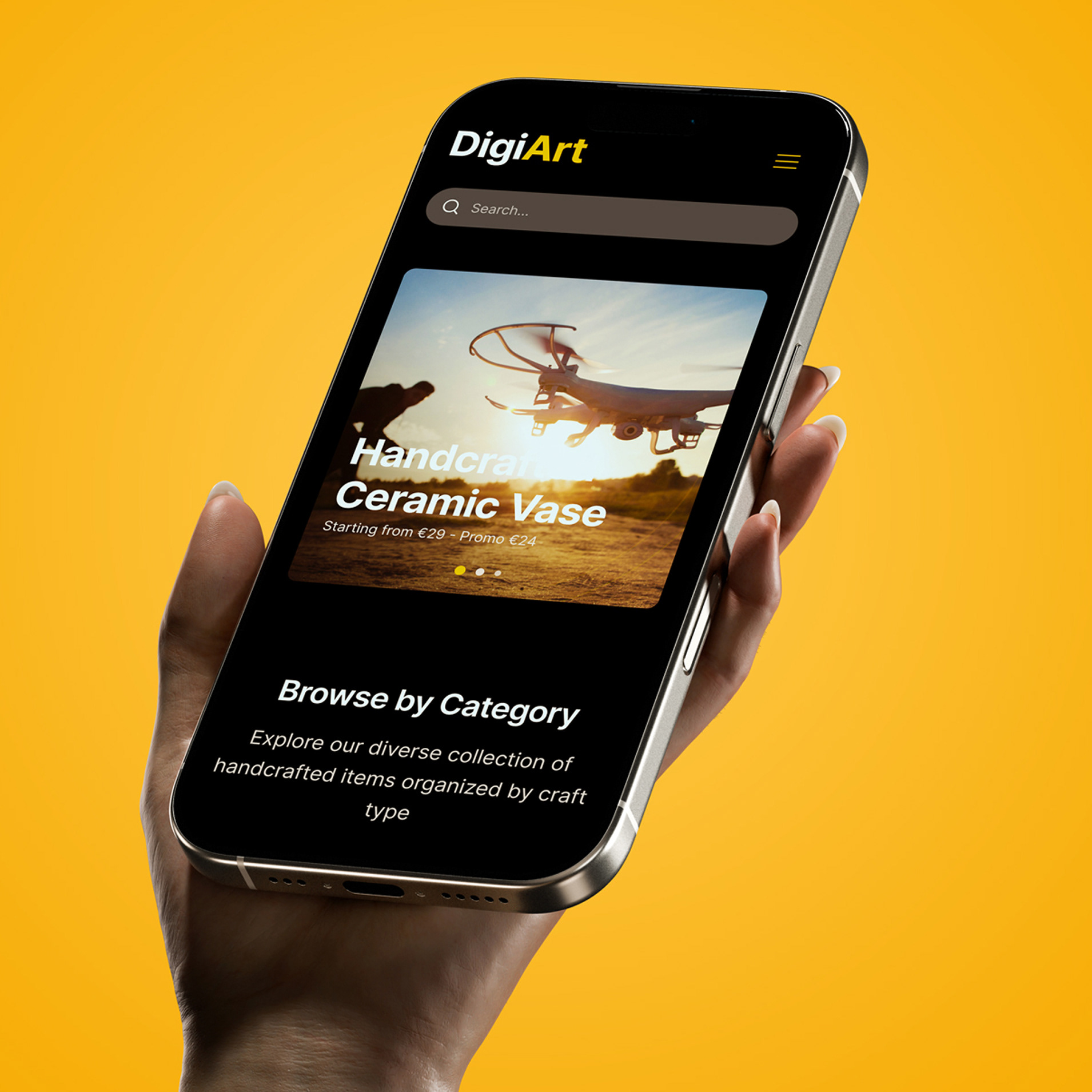
- Responsive experience across desktop, tablet and mobile.
- Long-term scalability.
- Artisan approval workflow.
- International shipping logic.
- Product management.
- Responsive experience across desktop, tablet and mobile.
- Long-term scalability.
The challenge wasn't designing another online marketplace. It was designing a platform capable of supporting multiple business workflows without increasing interface complexity.
How do you make a complex marketplace feel simple for every type of user?
My Role
As the Product Designer, I collaborated directly with the Founder, Product and Engineering teams. I was responsible for:
- Product workshops
- Information Architecture
- 20 User Flows
- High-fidelity UI
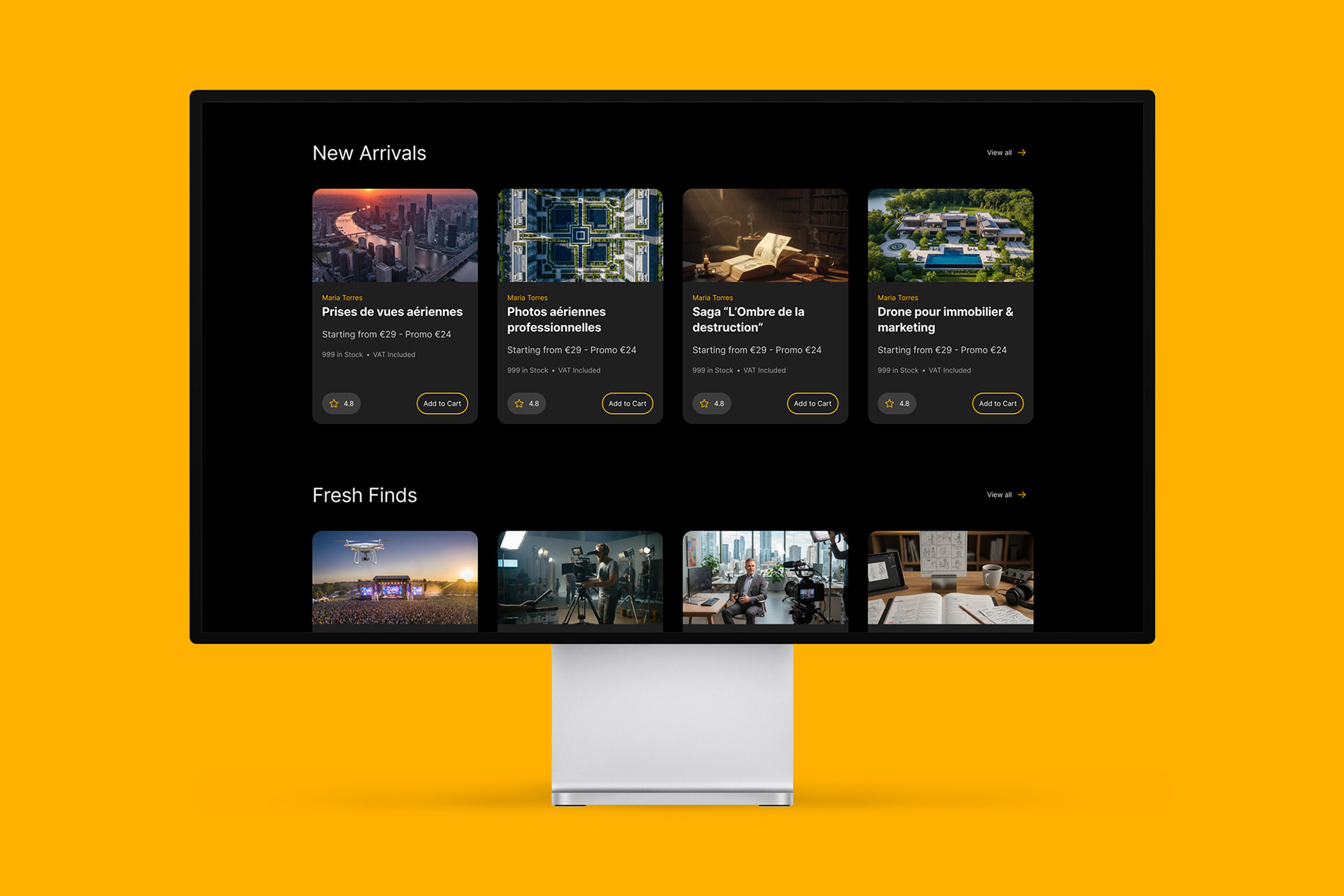
- 165 responsive screens
- Design System
- 62 reusable components
- Interactive Prototypes
- Developer Handoff
- Information Architecture
- 20 User Flows
- High-fidelity UI
- 165 responsive screens
- Design System
- 62 reusable components
- Interactive Prototypes
- Developer Handoff
Process
The project started with platform architecture rather than interface design.
Workshop: Worked with the Product team to understand business goals, marketplace requirements, user roles and platform rules before defining the product architecture.
Information Architecture: Mapped relationships between customers, artisans and administrators before designing any screens.
User Flows: Created 20 complete flows covering onboarding, product management, purchasing, approvals and shipping.
Design System: Built reusable components alongside product development to ensure consistency and scalability.
Prototype: Designed and validated responsive experiences across desktop, tablet and mobile.
Developer Handoff: Worked continuously with engineering through design reviews and implementation support.
Tools and AI Workflow
AI became part of the design workflow to accelerate execution.
ChatGPT and Claude for brainstorming, product thinking and problem definition.
Figma Make for early concept exploration.
Figma for interface design, Design System development and interactive prototyping.
Impact
Approximately 30% reduction in design effort.
50% faster Design System documentation.
Approximately 30% reduction in design effort.
50% faster Design System documentation.
Solution
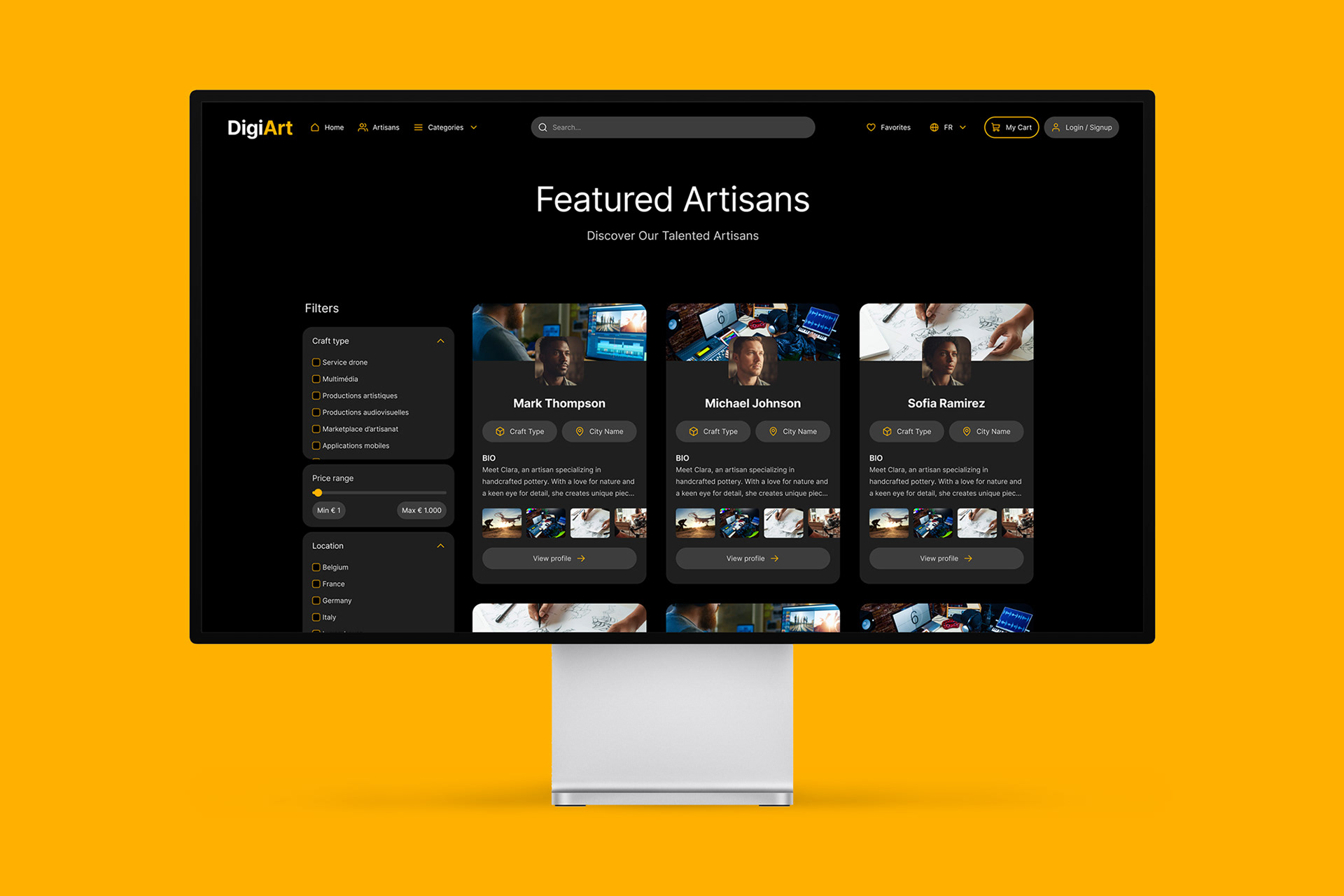
Rather than treating the marketplace as an extension of the institutional website, the project focused on building a scalable product foundation capable of supporting multiple user roles and complex business logic.
The solution introduced:
- Multi-user platform architecture.
- Dedicated dashboards for customers, artisans and administrators.
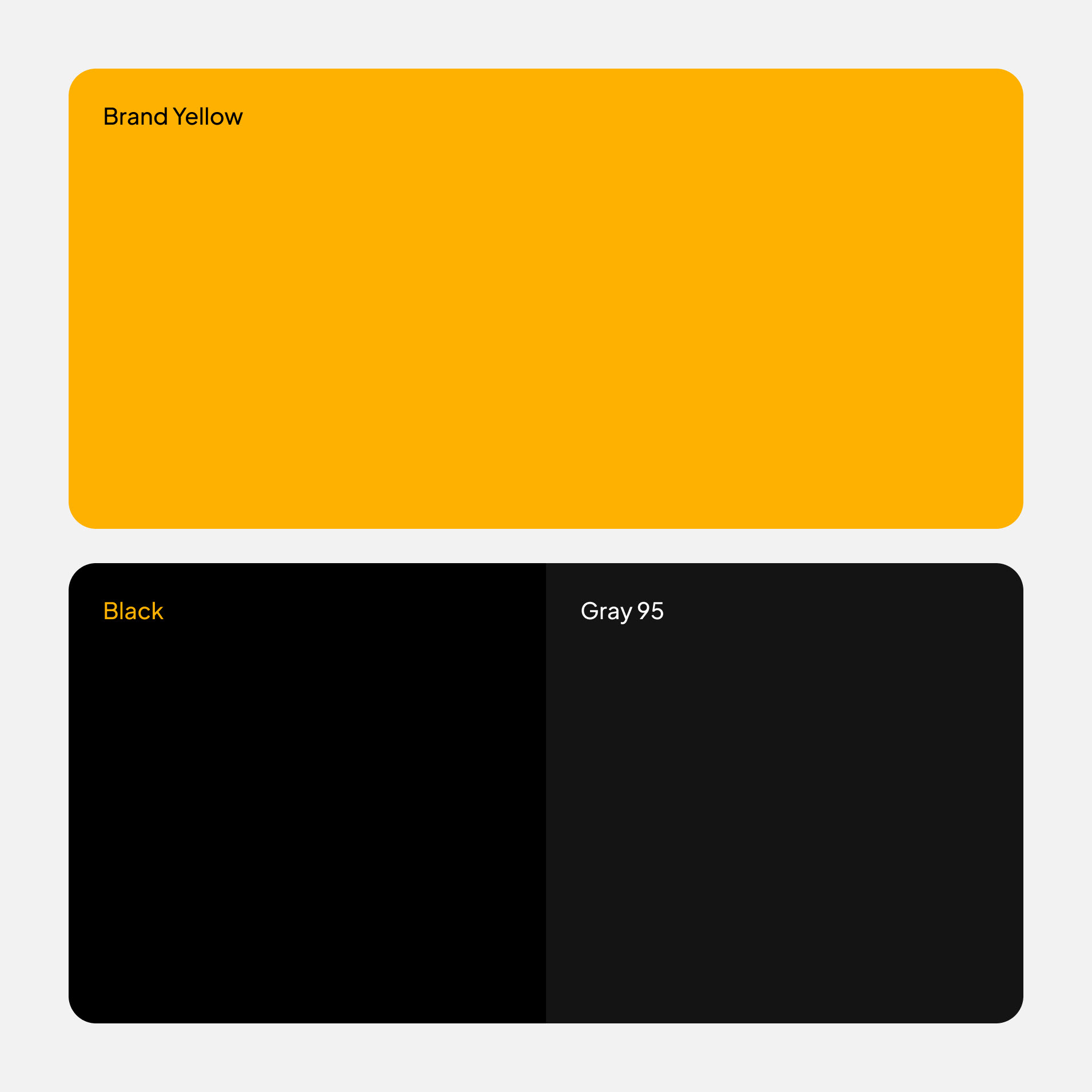
- Scalable Design System.
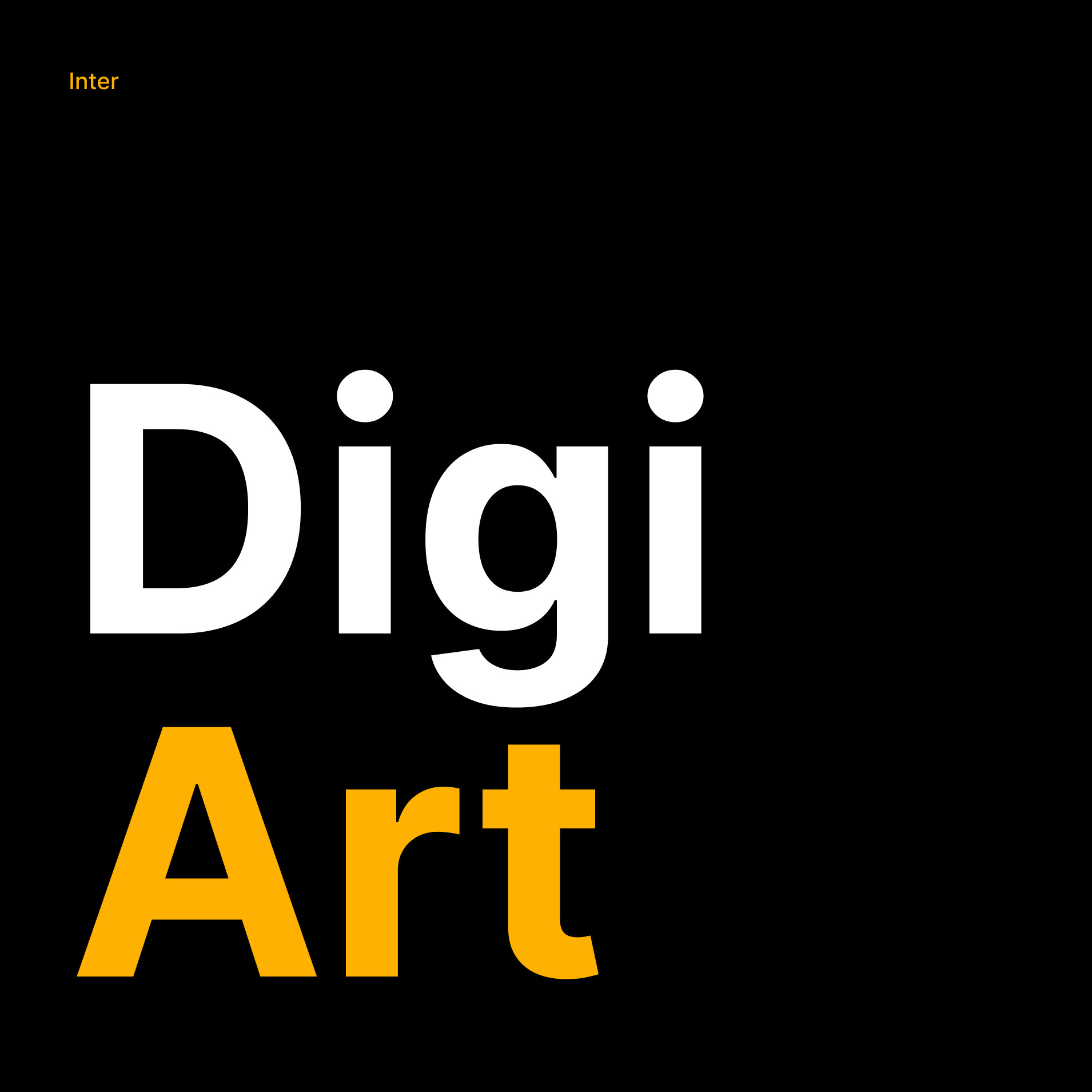
- Standardized layouts, typography and spacing.
- Consistent interaction patterns.
- Structured developer documentation.
- Responsive experiences across desktop, tablet and mobile.
- Dedicated dashboards for customers, artisans and administrators.
- Scalable Design System.
- Standardized layouts, typography and spacing.
- Consistent interaction patterns.
- Structured developer documentation.
- Responsive experiences across desktop, tablet and mobile.
The result was a marketplace that became easier to scale, maintain and evolve as new features were introduced.
Results
- 20 complete user flows.
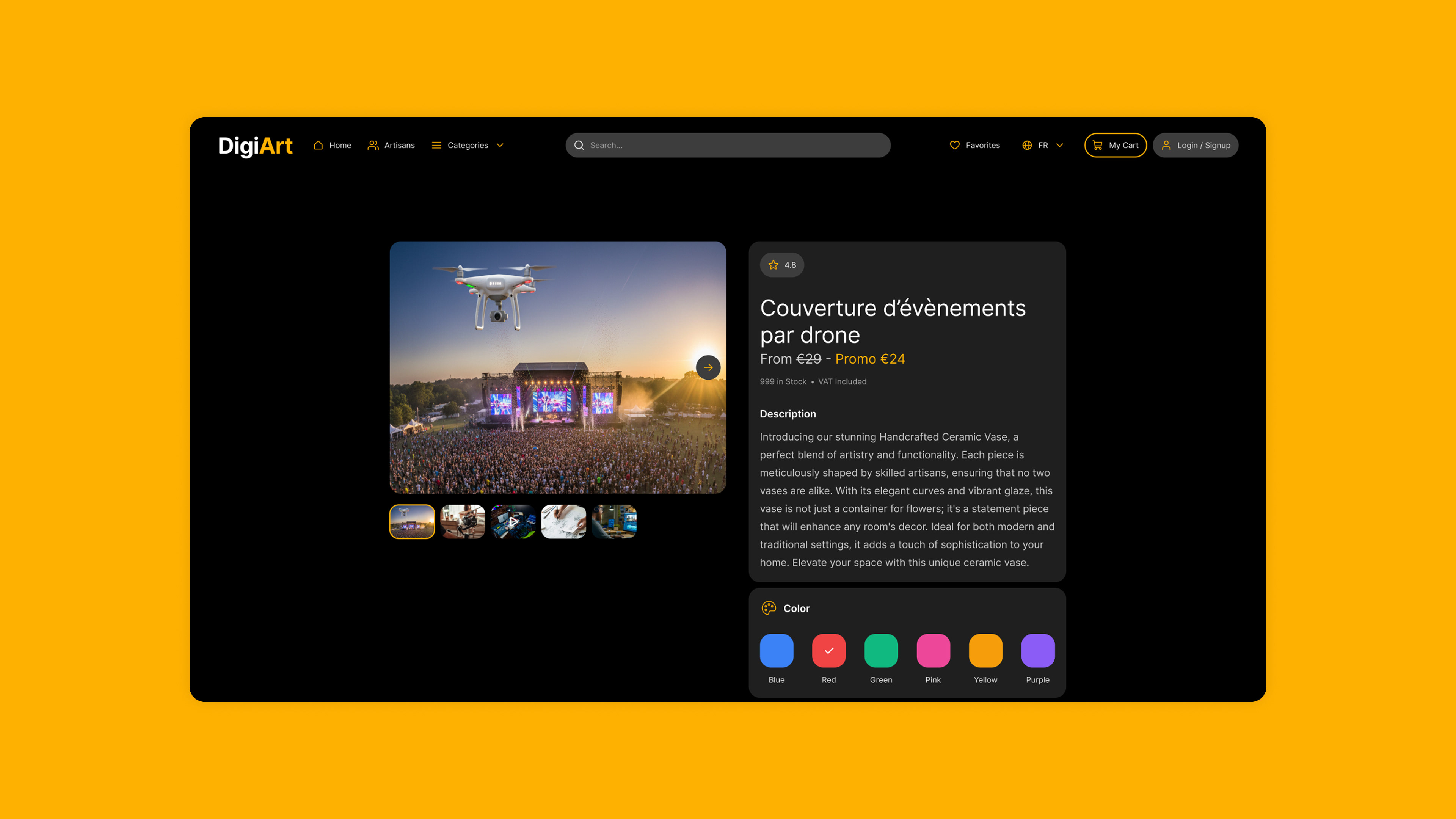
- 165 responsive screens.
- 62 reusable Design System components.
- Approximately 30% reduction in design effort.
- 50% faster documentation.
- Production-ready developer handoff.
- Marketplace foundation prepared for multiple European countries.
- Platform designed to connect local artisans with more than 163 million potential consumers across Central Europe.
- 165 responsive screens.
- 62 reusable Design System components.
- Approximately 30% reduction in design effort.
- 50% faster documentation.
- Production-ready developer handoff.
- Marketplace foundation prepared for multiple European countries.
- Platform designed to connect local artisans with more than 163 million potential consumers across Central Europe.
What I Learned
This project reinforced three important lessons.
- Marketplaces succeed through strong product architecture, not only beautiful interfaces.
- Designing for multiple user roles requires system thinking from the very beginning.
- Building the Design System alongside product development significantly improves scalability and collaboration with engineering.
- Designing for multiple user roles requires system thinking from the very beginning.
- Building the Design System alongside product development significantly improves scalability and collaboration with engineering.
Credits: BAMHUB
Lead Designer: Leandro Rodrigues