Role: Lead Product Designer
Duration: 2023 - 2026
Client: BAMHUB (Luxembourg)
Platform: PropTech SaaS
Responsibilities: Product Workshops • UX • UI • Design System • AI Workflow • Prototyping • Developer Handoff
Duration: 2023 - 2026
Client: BAMHUB (Luxembourg)
Platform: PropTech SaaS
Responsibilities: Product Workshops • UX • UI • Design System • AI Workflow • Prototyping • Developer Handoff
Overview
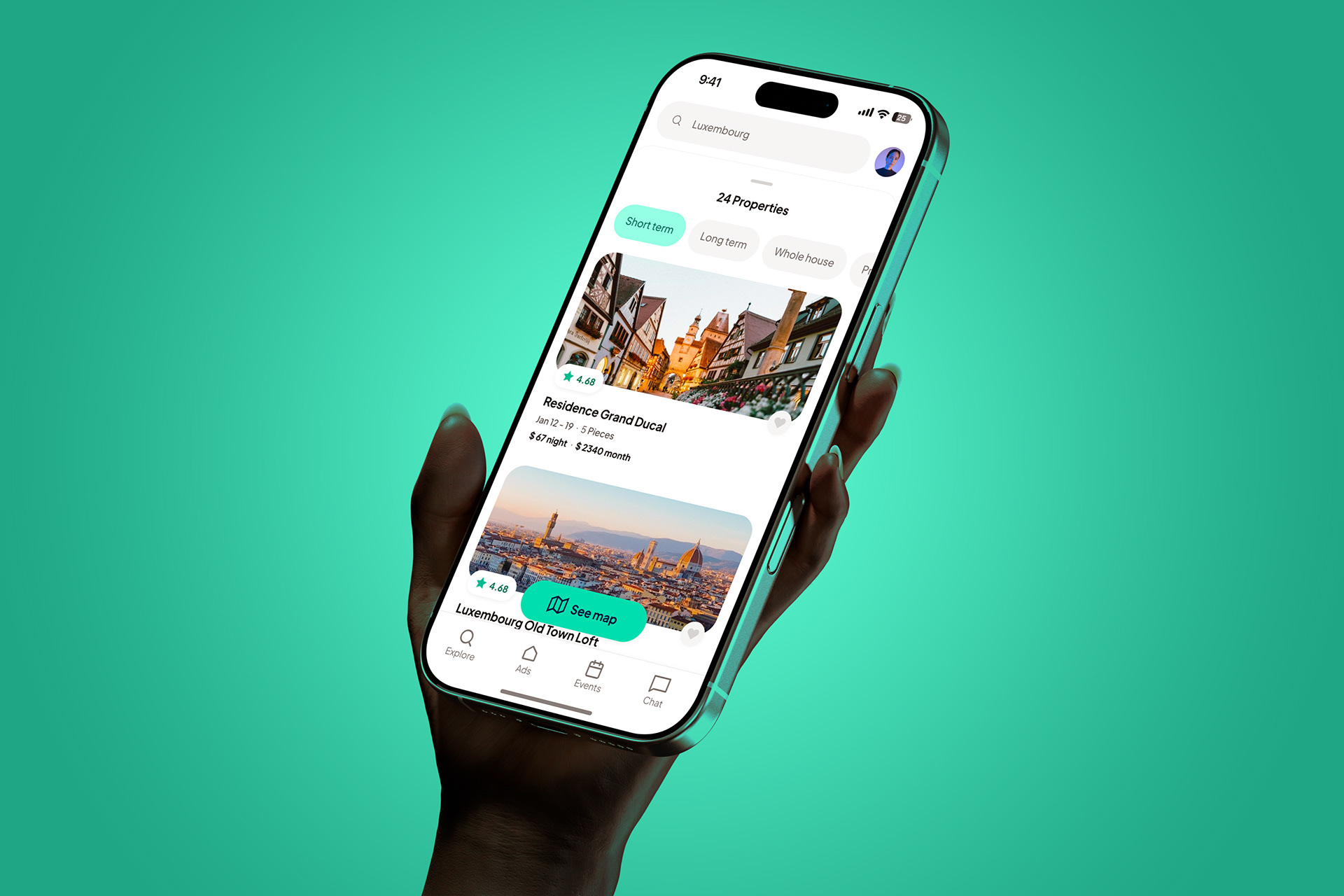
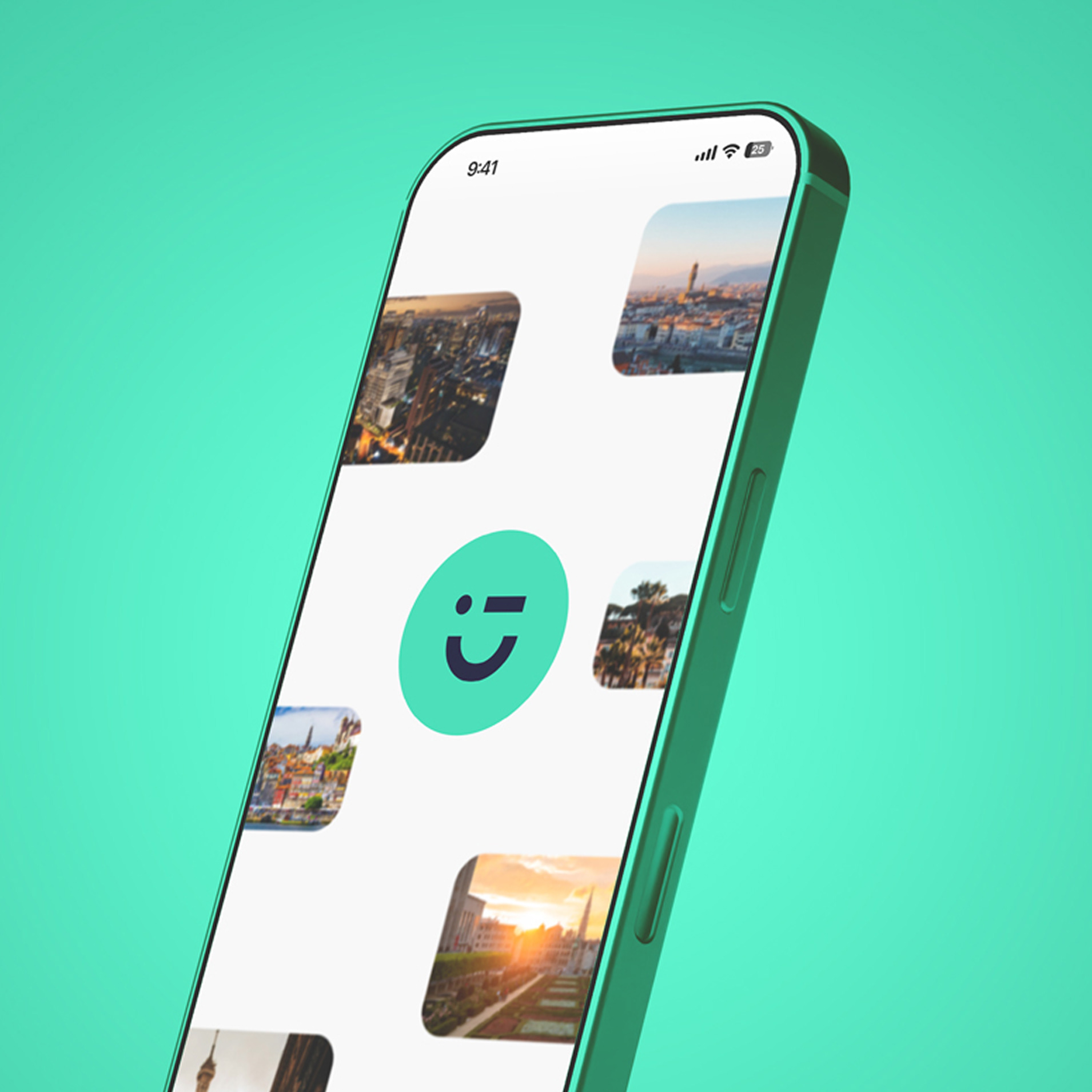
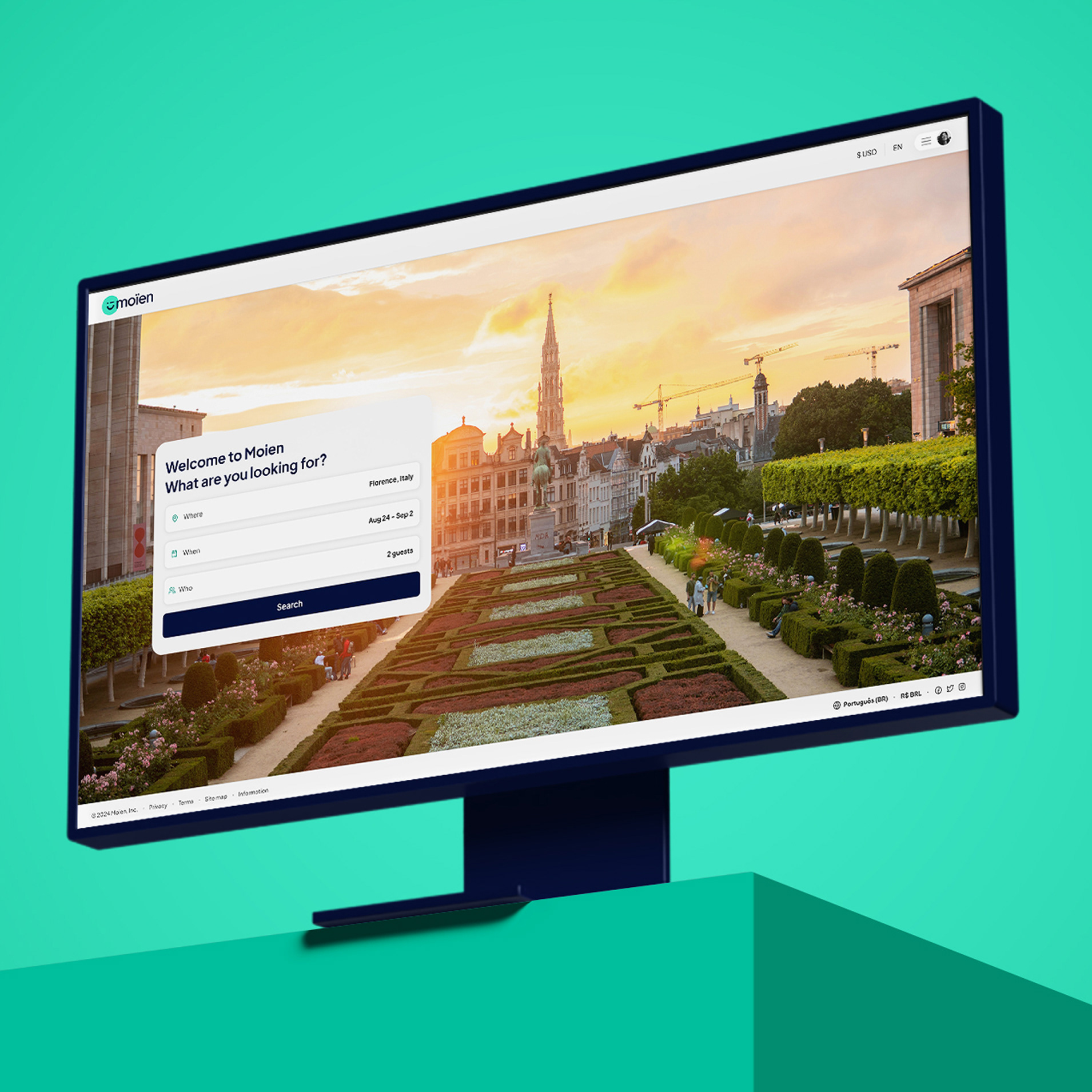
Moien is a Luxembourg-based proptech platform created as a European alternative to Airbnb, focused on rentals and subletting across Luxembourg, France and neighboring countries.
When I joined the project, it had recently been transferred from another agency and existed only as a collection of static PNG screens with an outdated interface. There were no editable Figma files, reusable components or Design System, making the product difficult to evolve as new features were being planned.
I joined the project as Lead Product Designer, working closely with the Founder, Product and Engineering teams to rebuild the product foundation while supporting an active roadmap toward beta launch.
The Challenge
The biggest challenge wasn't creating new features. It was rebuilding the entire product foundation while development continued. The platform suffered from several structural issues:
- Static PNG screens with no editable source files.
- No Design System or reusable components.
- Inconsistent visual language.
- Fragmented user flows.
- Difficult developer handoff.
- No Design System or reusable components.
- Inconsistent visual language.
- Fragmented user flows.
- Difficult developer handoff.
The challenge was to transform a fragmented interface into a scalable product without interrupting the product roadmap.
How do you rebuild the foundation of a growing product without slowing its evolution?
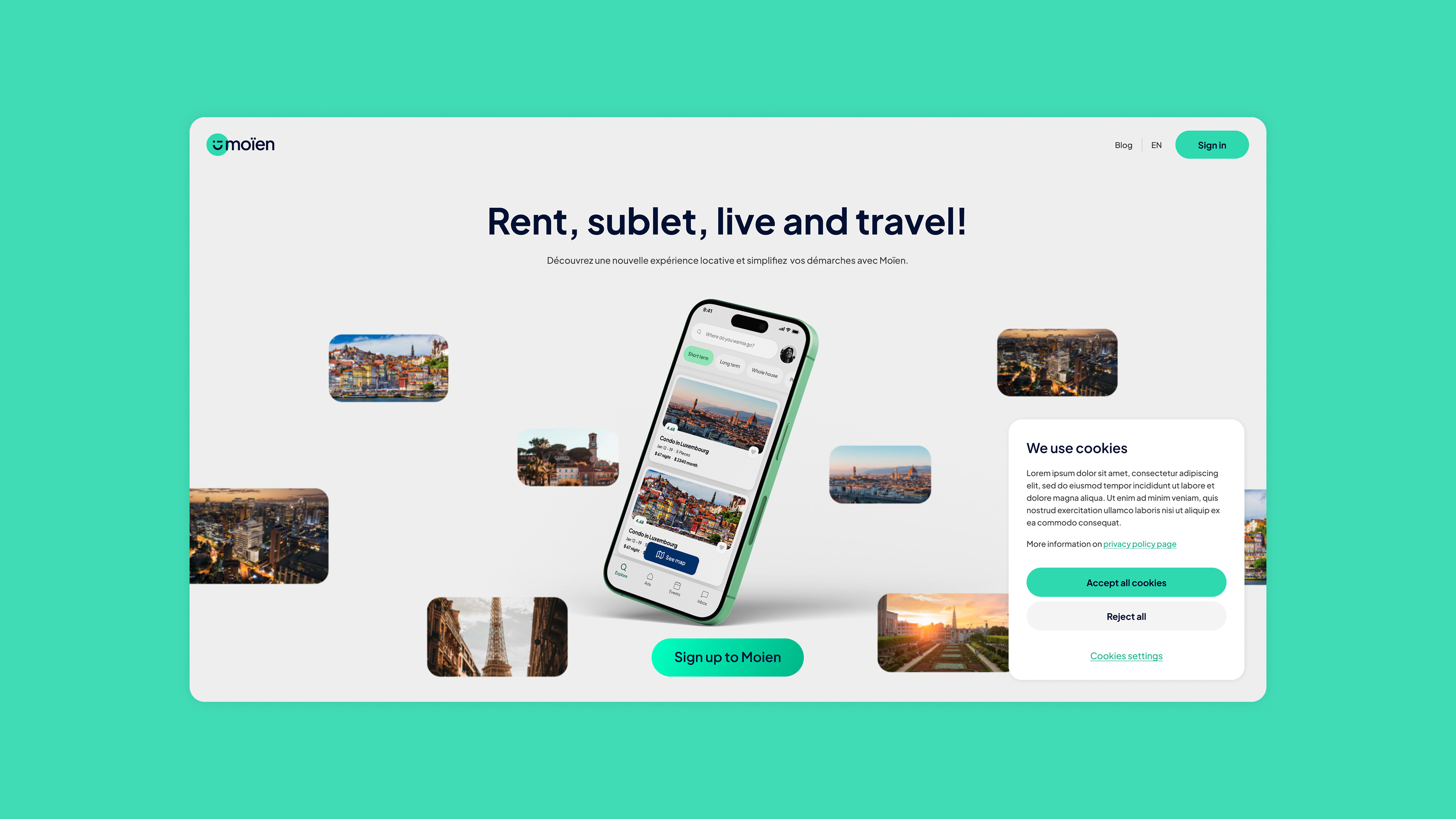
My Role
As Lead Product Designer, I worked hands-on across every major design discipline.
- Facilitated product workshops with the Founder.
- Defined information architecture.
- Designed user flows.
- Created high-fidelity UI.
- Built and evolved the Design System.
- Produced interactive prototypes.
- Introduced AI-assisted workflows.
- Worked closely with Engineering on design reviews and developer handoff.
- Defined information architecture.
- Designed user flows.
- Created high-fidelity UI.
- Built and evolved the Design System.
- Produced interactive prototypes.
- Introduced AI-assisted workflows.
- Worked closely with Engineering on design reviews and developer handoff.
Process
The project balanced product evolution with large-scale redesign.
Product Audit: Rebuilt every legacy screen inside Figma to identify inconsistencies and establish a clean starting point.
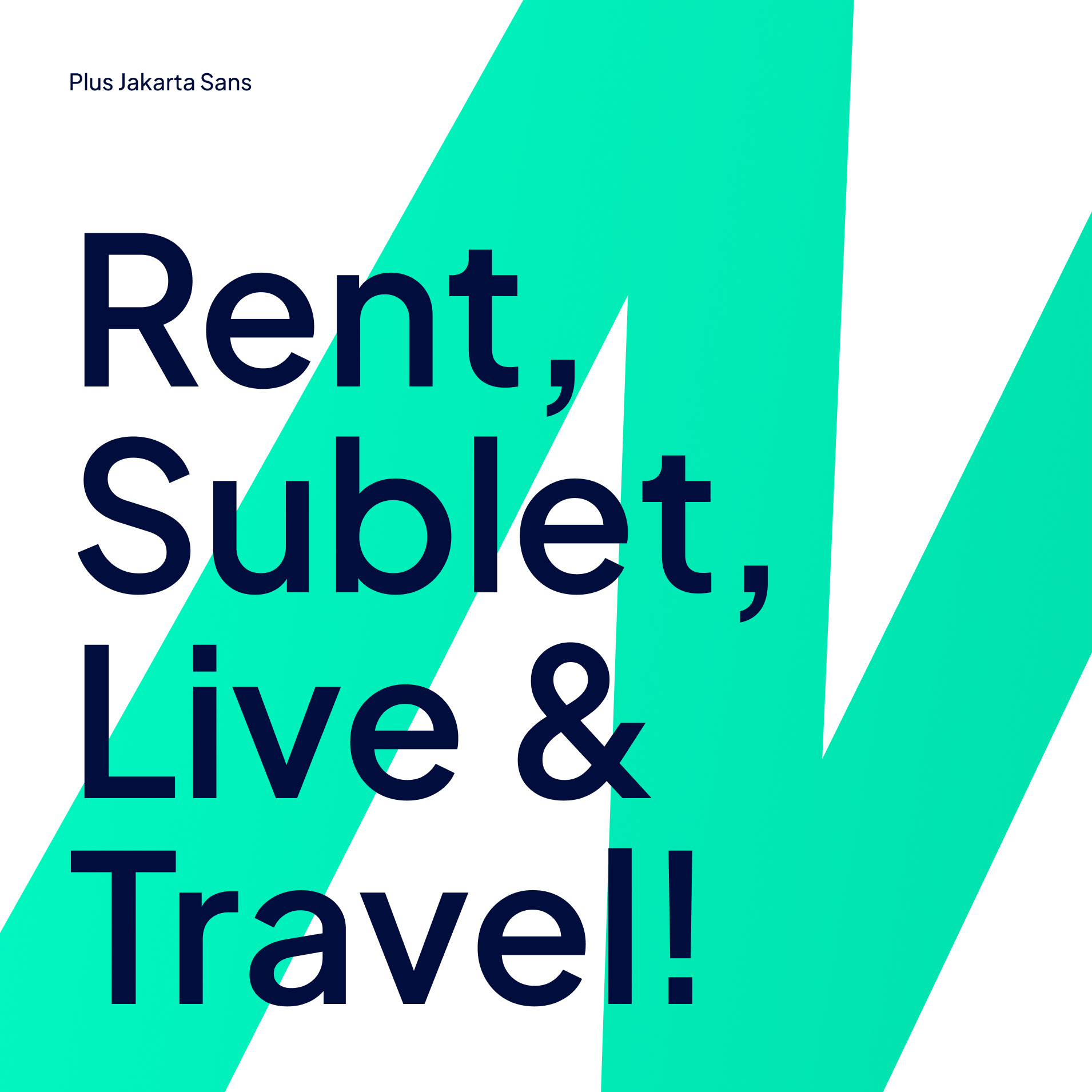
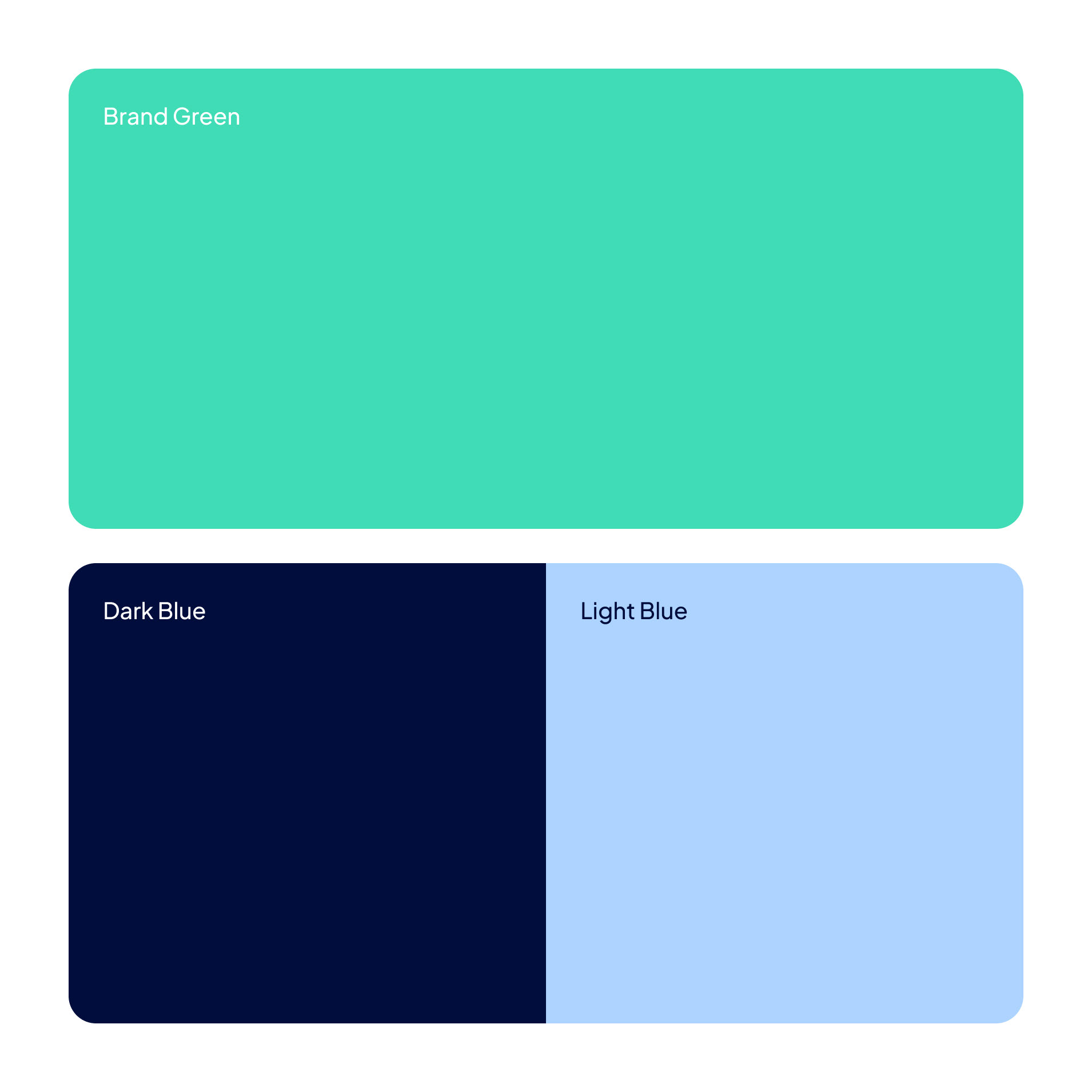
Visual Language: Defined a completely new visual language with updated typography, layout, hierarchy, spacing and interaction patterns.
Design System: Built the Design System while redesigning the product, creating reusable components instead of isolated screens.
User Flows: Redesigned core journeys including onboarding, search, listings, booking and account management across mobile, desktop and responsive platforms.
Prototyping: Created high-fidelity prototypes that became the main communication artifact between Product, Design and Engineering.
Handoff: Worked continuously with Engineering through design reviews and structured documentation until implementation.
Tools & AI Workflow
AI became part of the design workflow to accelerate execution.
ChatGPT and Claude for brainstorming, product thinking and problem definition.
Figma Make for early concept exploration.
Figma for UI design, prototyping and Design System development.
Impact
Approximately 30% reduction in prototyping effort.
50% faster Design System documentation.
Approximately 30% reduction in prototyping effort.
50% faster Design System documentation.
Solution
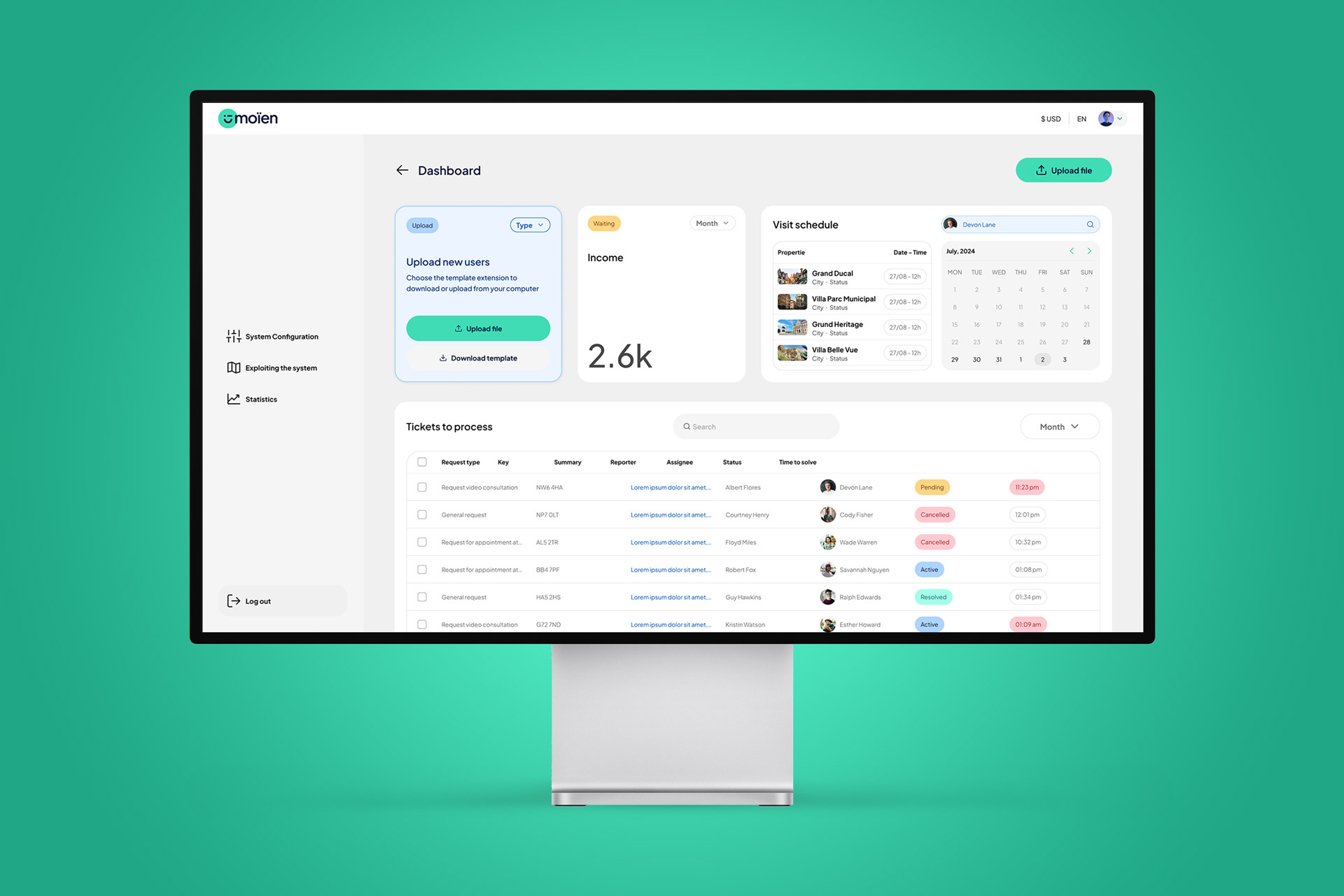
Rather than redesigning isolated screens, the solution focused on rebuilding the product as a scalable system.
The redesign introduced:
- Refreshed visual language.
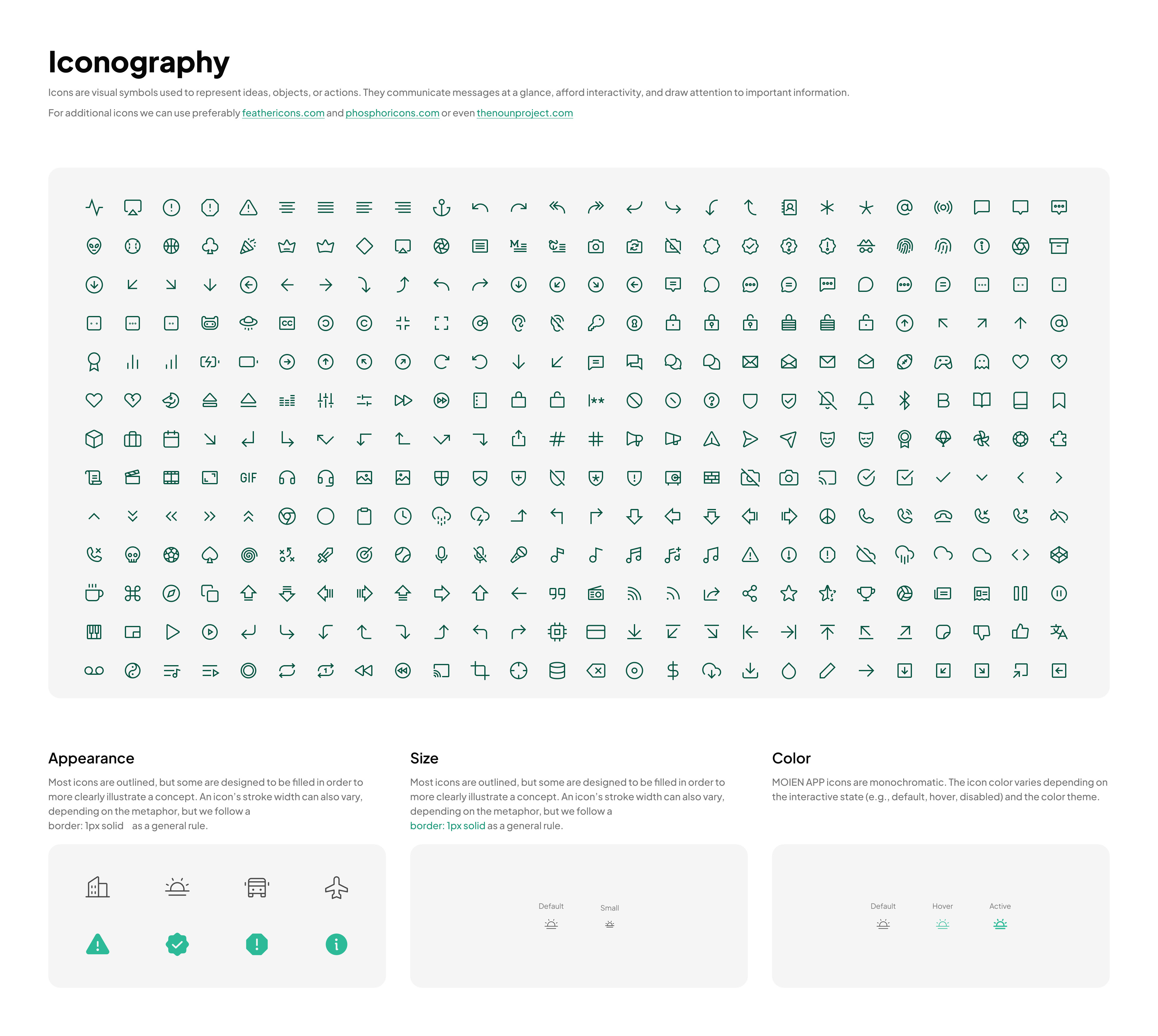
- Scalable Design System with reusable components.
- Consistent interaction patterns.
- Structured developer documentation.
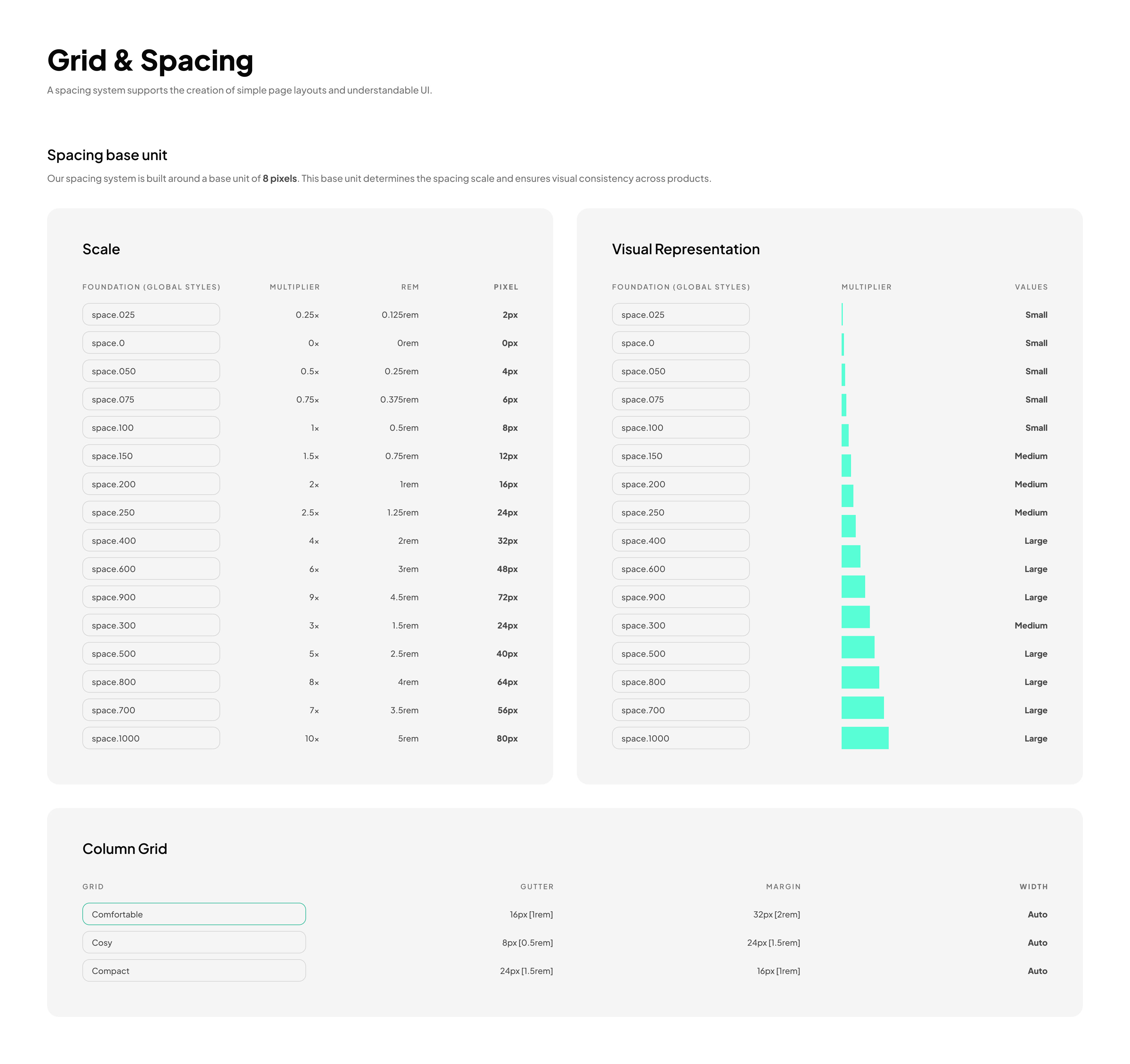
- Standardized layouts, typography and spacing.
- Unified experiences across mobile, desktop and responsive platforms.
- Scalable Design System with reusable components.
- Consistent interaction patterns.
- Structured developer documentation.
- Standardized layouts, typography and spacing.
- Unified experiences across mobile, desktop and responsive platforms.
The result was a product that became easier to evolve, easier to maintain, and more consistent across every user journey.
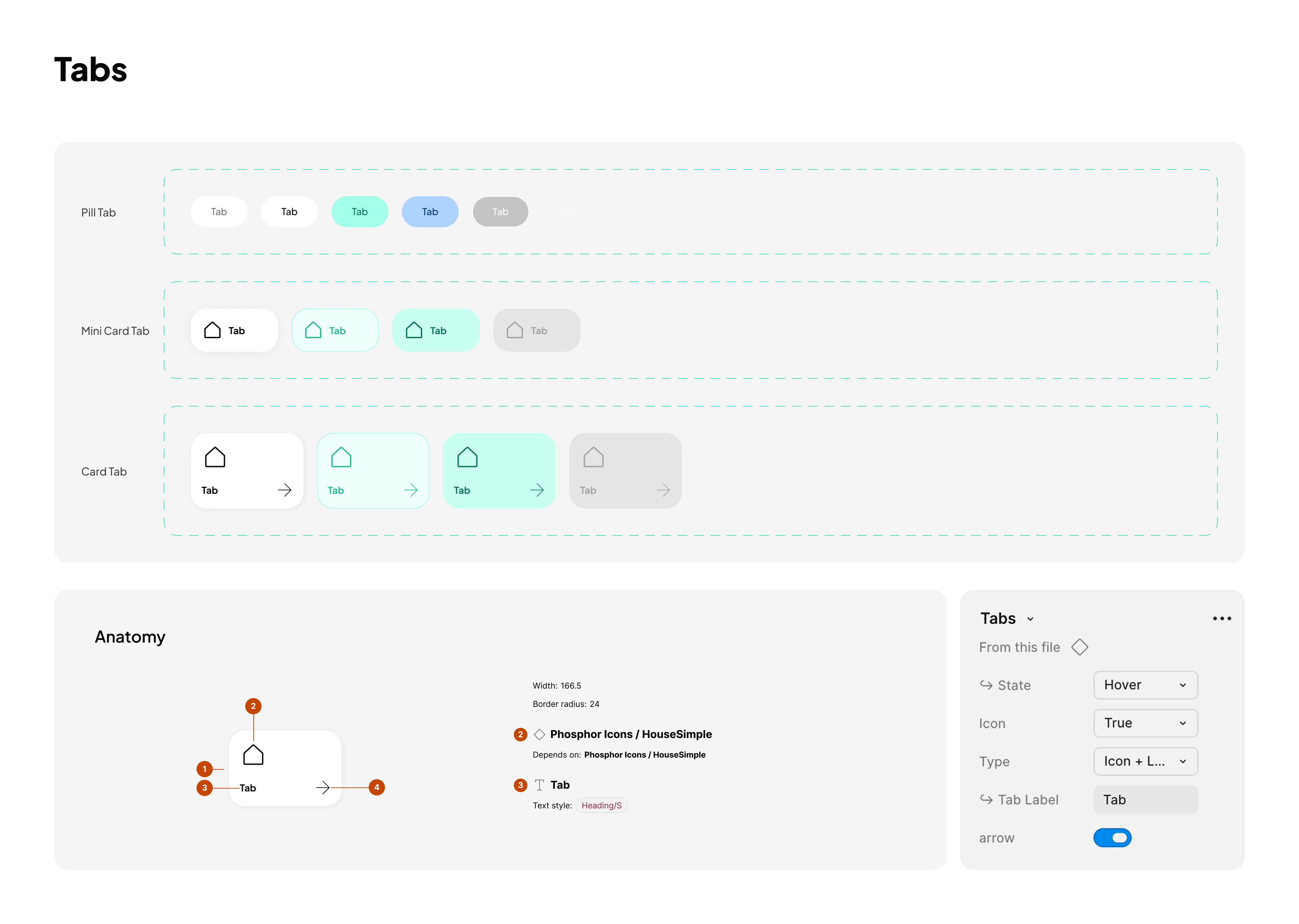
Design System
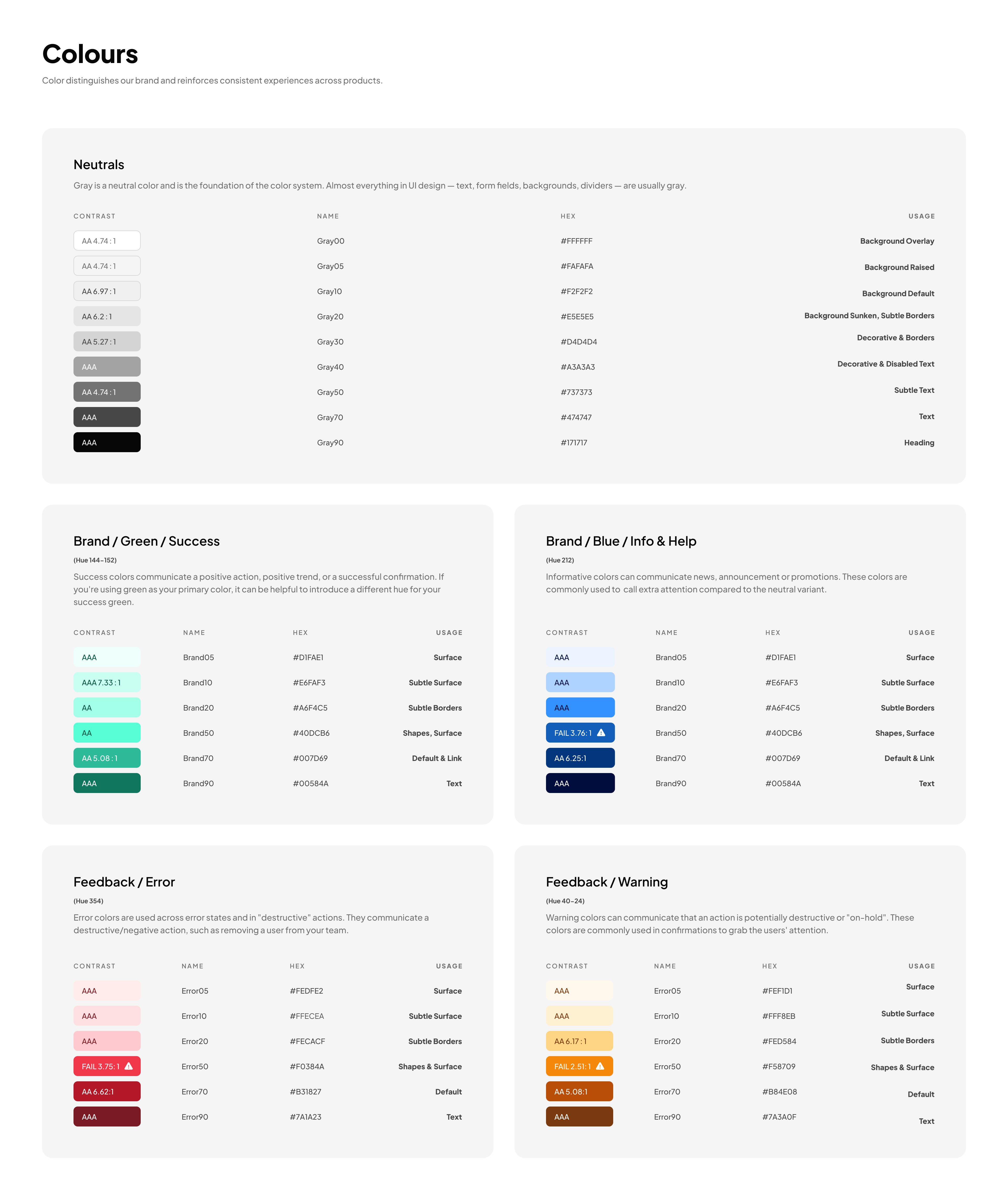
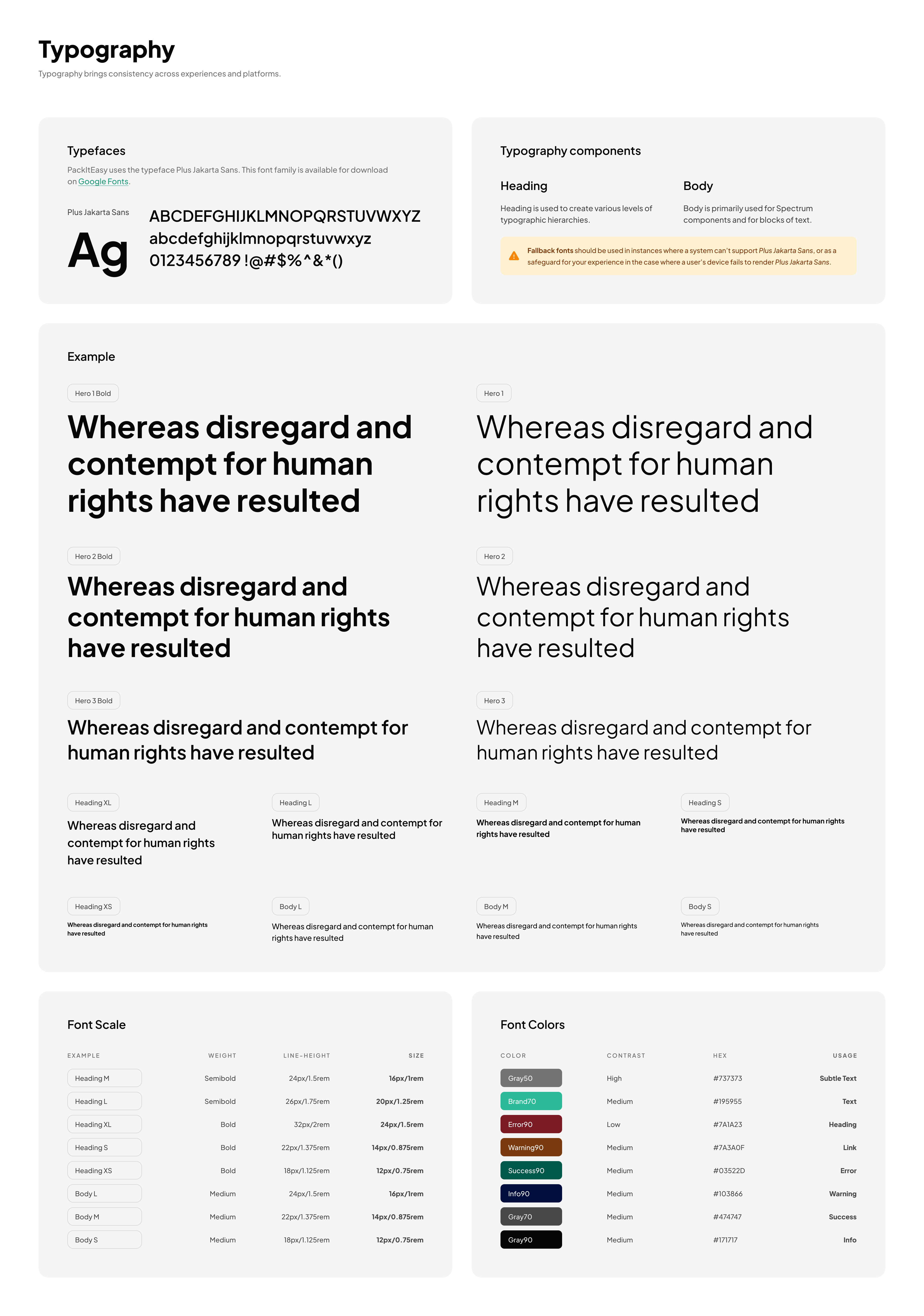
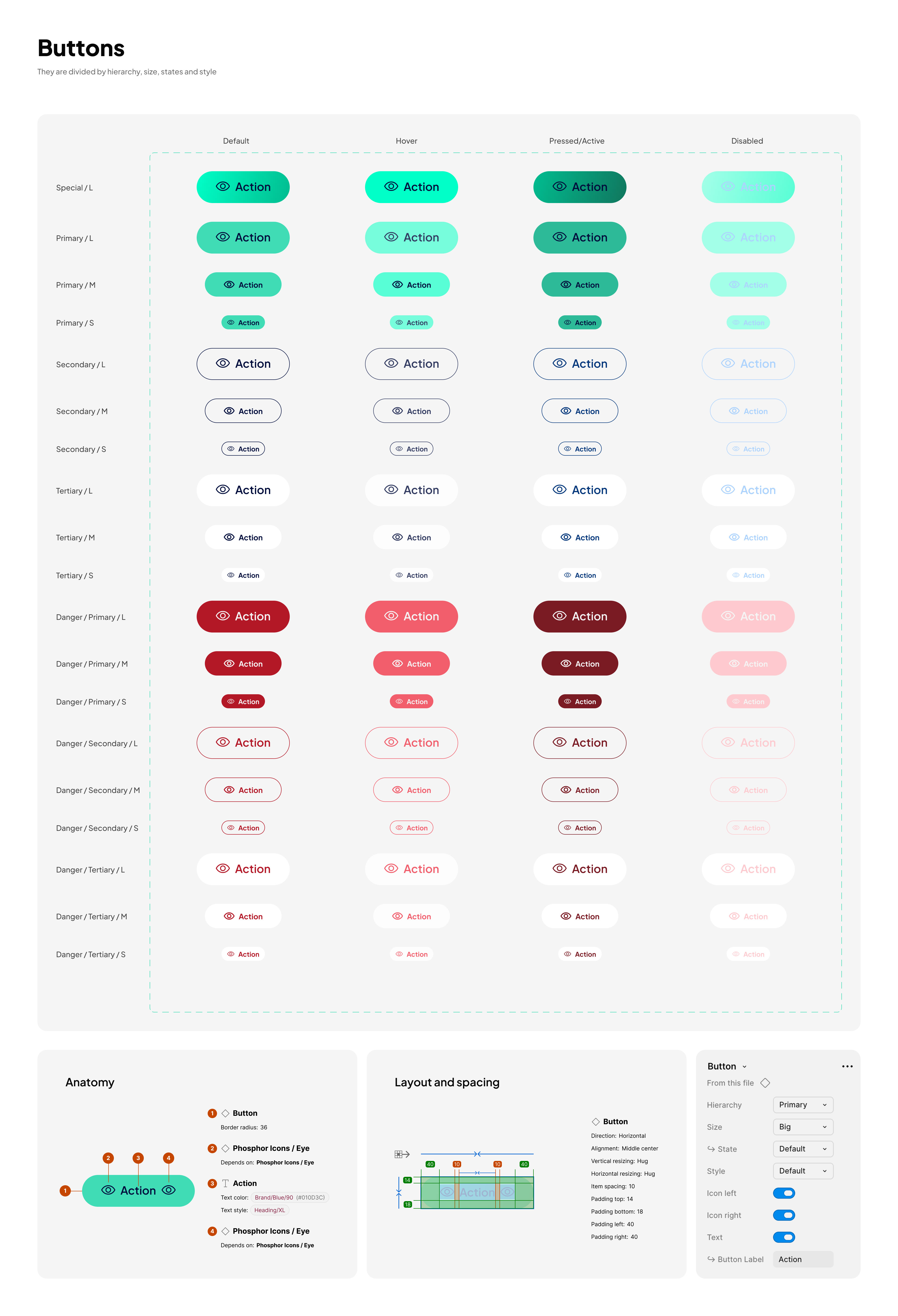
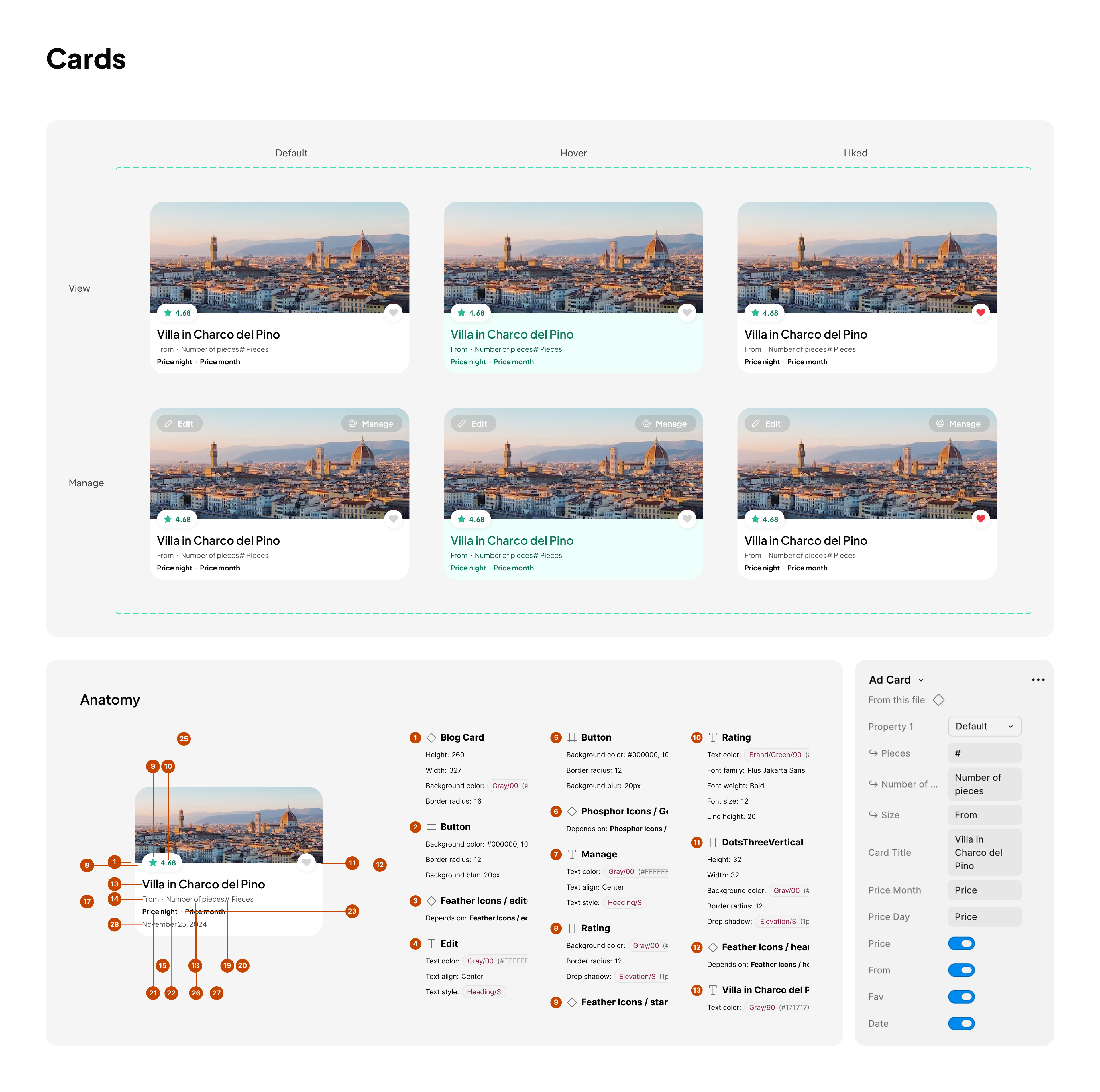
Some key components
Results
- Rebuilt the product from legacy PNG mockups into a fully editable Figma project.
- Created 60 user flows across mobile, desktop and responsive platforms.
- Built 110+ reusable Design System components.
- Reduced prototyping effort, implementation inconsistencies and rework by approximately 30%.
- Reduced Design System documentation time by approximately 50%.
- Supported the product from redesign through beta across Luxembourg, France, Belgium and Germany.
- Established the design foundation for a platform targeting 14M+ properties.
- Created 60 user flows across mobile, desktop and responsive platforms.
- Built 110+ reusable Design System components.
- Reduced prototyping effort, implementation inconsistencies and rework by approximately 30%.
- Reduced Design System documentation time by approximately 50%.
- Supported the product from redesign through beta across Luxembourg, France, Belgium and Germany.
- Established the design foundation for a platform targeting 14M+ properties.
What I Learned
This project reinforced three important ideas.
- Rebuilding foundations is often more valuable than adding features.
- Design Systems are products themselves—they enable scalability, consistency and faster collaboration.
- AI doesn't replace craftsmanship; it removes repetitive work so designers can focus on solving more meaningful problems.
- Design Systems are products themselves—they enable scalability, consistency and faster collaboration.
- AI doesn't replace craftsmanship; it removes repetitive work so designers can focus on solving more meaningful problems.
Credits: BAMHUB
Lead Designer: Leandro Rodrigues
Digital designer: Rafael de Paula