Role: Lead Designer
Duration: October 2024 – February 2025
Client: BAMHUB (Luxembourg)
Platform: Corporate Website / Responsive Web
Responsibilities: Product Workshops • Information Architecture • UX • UI • Visual Design • Design System • Prototyping • Developer Handoff
Duration: October 2024 – February 2025
Client: BAMHUB (Luxembourg)
Platform: Corporate Website / Responsive Web
Responsibilities: Product Workshops • Information Architecture • UX • UI • Visual Design • Design System • Prototyping • Developer Handoff
Overview
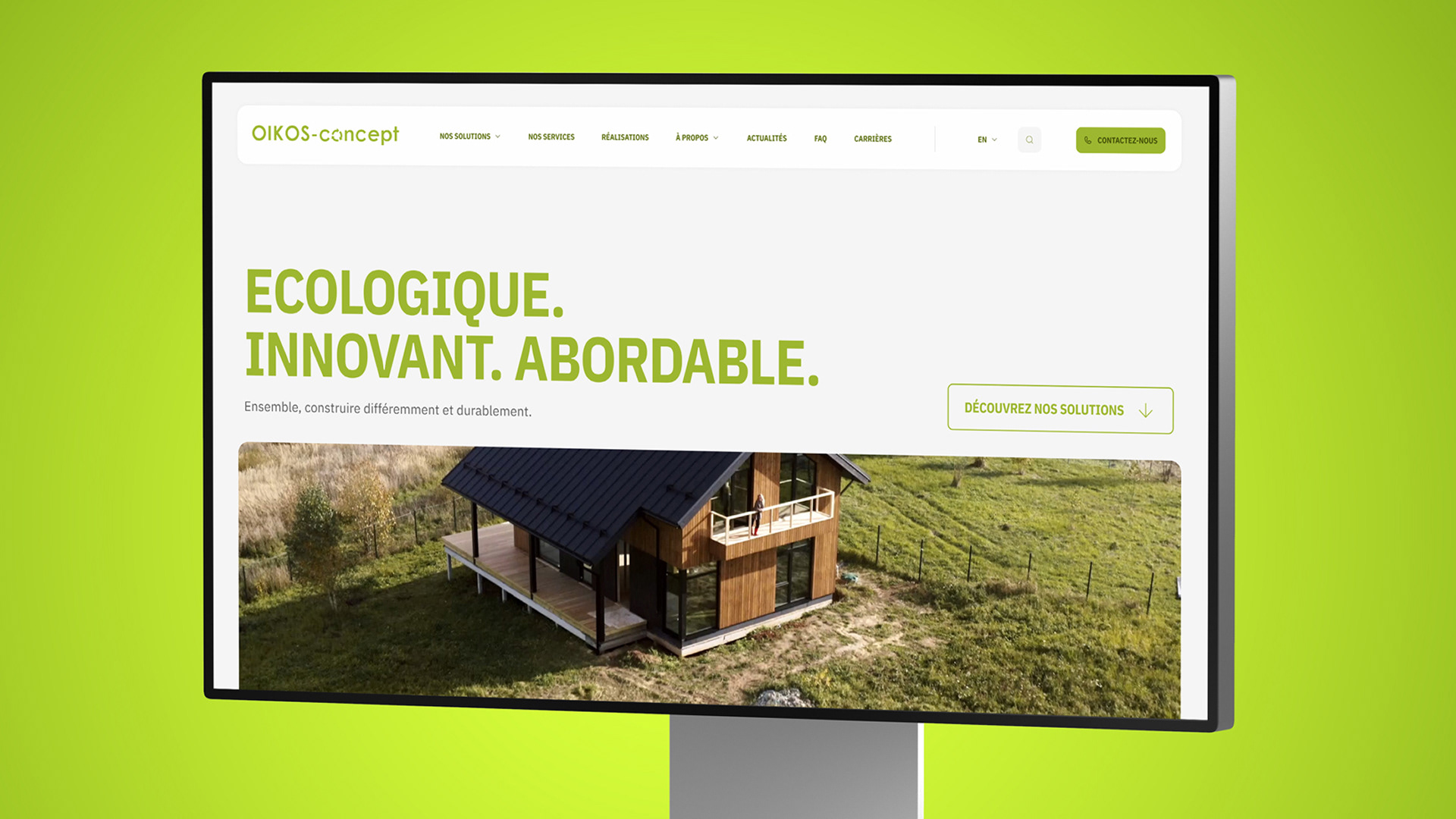
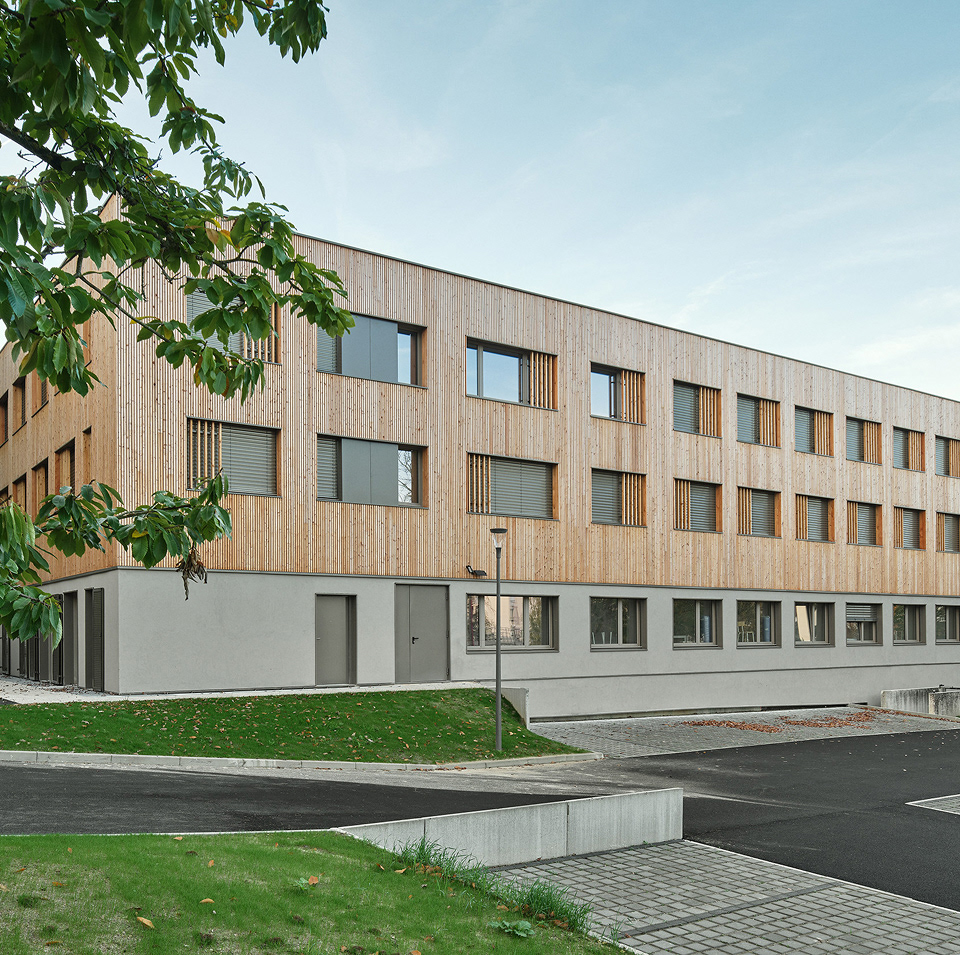
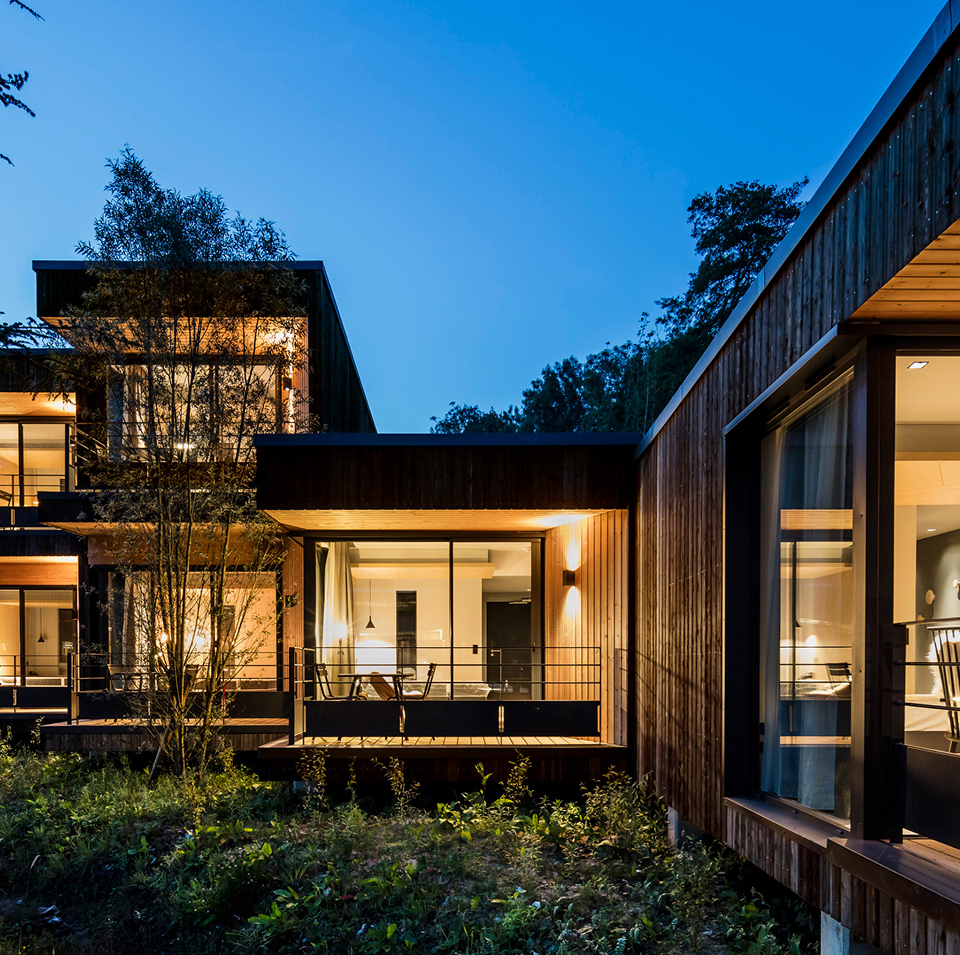
Oikos Concept is a Luxembourg-based company specializing in sustainable modular housing across Luxembourg, France, and Belgium. Rather than simply redesigning an institutional website, the project aimed to create a scalable digital platform capable of communicating complex engineering and sustainability concepts while reflecting the company's modular construction philosophy.
I joined the project as the Product Designer, working closely with stakeholders and Engineering to define the platform's information architecture, user journeys, visual language, responsive experience, and overall design foundation.
The Challenge
The biggest challenge wasn't designing new pages. It was translating a highly technical business into a digital experience that felt clear, trustworthy, and scalable.
The platform needed to communicate engineering concepts, sustainability principles, and modular construction processes to different audiences without overwhelming users.
Key challenges included:
- Complex technical content.
- Multiple audience profiles with different information needs.
- Dense institutional messaging.
- Need for a modular structure that could evolve over time.
- Responsive consistency across desktop, tablet, and mobile.
- Multiple audience profiles with different information needs.
- Dense institutional messaging.
- Need for a modular structure that could evolve over time.
- Responsive consistency across desktop, tablet, and mobile.
The challenge wasn't building another corporate website.
It was designing a scalable digital platform that made technical complexity feel simple and approachable.
My Role
As the Product Designer, I collaborated directly with stakeholders and Engineering throughout the project.
I was responsible for:
- Product workshops
- Information Architecture
- User Journeys
- Wireframing
- High-fidelity UI
- Visual Language
- Responsive Design
- Design System foundation
- Interactive Prototypes
- Developer Handoff
- Information Architecture
- User Journeys
- Wireframing
- High-fidelity UI
- Visual Language
- Responsive Design
- Design System foundation
- Interactive Prototypes
- Developer Handoff
Process
The project started with structure rather than visuals.
Product Workshops: Worked with stakeholders to understand business goals, modular construction principles, sustainability positioning, and target audiences before defining the digital architecture.
Information Architecture: Organized complex engineering and institutional content into reusable modules and clear navigation structures.
User Journeys: Designed distinct experiences for technical and institutional audiences, ensuring each could quickly find relevant information.
Wireframes: Created 45 wireframes based on modular content blocks that could be reused and expanded over time.
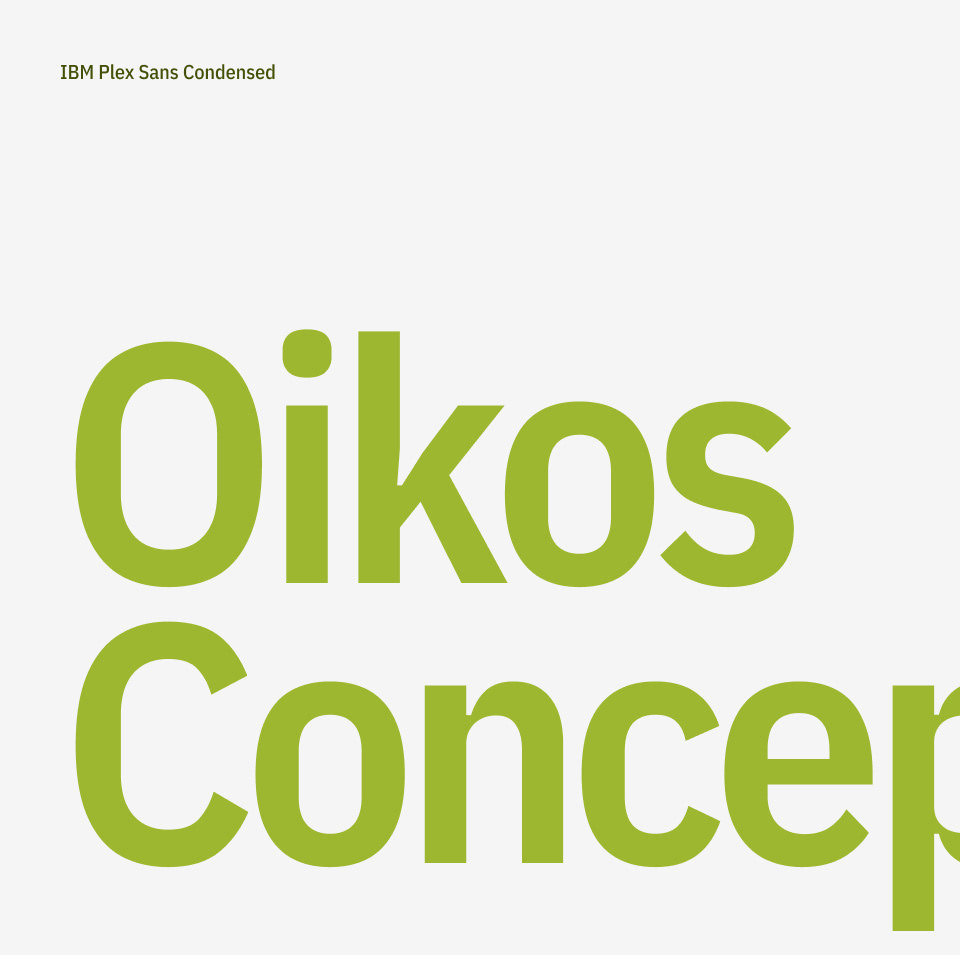
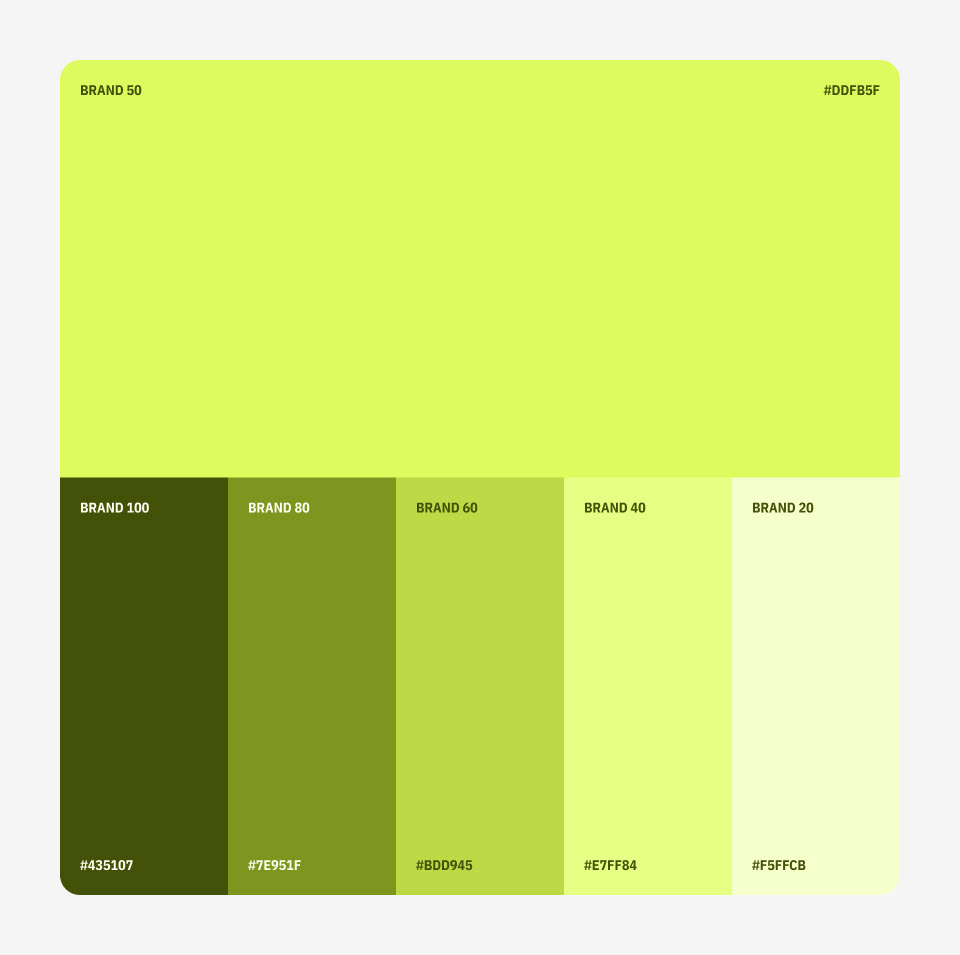
Visual Language: Developed a clean visual system using typography, grid, spacing, and natural color palettes to reinforce clarity, innovation, and sustainability.
Developer Handoff: Collaborated closely with Engineering through documentation, implementation support, and design reviews to ensure production-ready delivery.
Tools & AI Workflow
AI became part of the design workflow to accelerate planning and execution.
ChatGPT for brainstorming, sitemap creation, content organization, and roadmap planning.
Figma Make for early concept exploration.
Figma for UI design, prototyping, and Design System development.
Impact
- Approximately 20% reduction in design effort.
- Around 30% faster documentation.
- Approximately 20% reduction in design effort.
- Around 30% faster documentation.
Solution
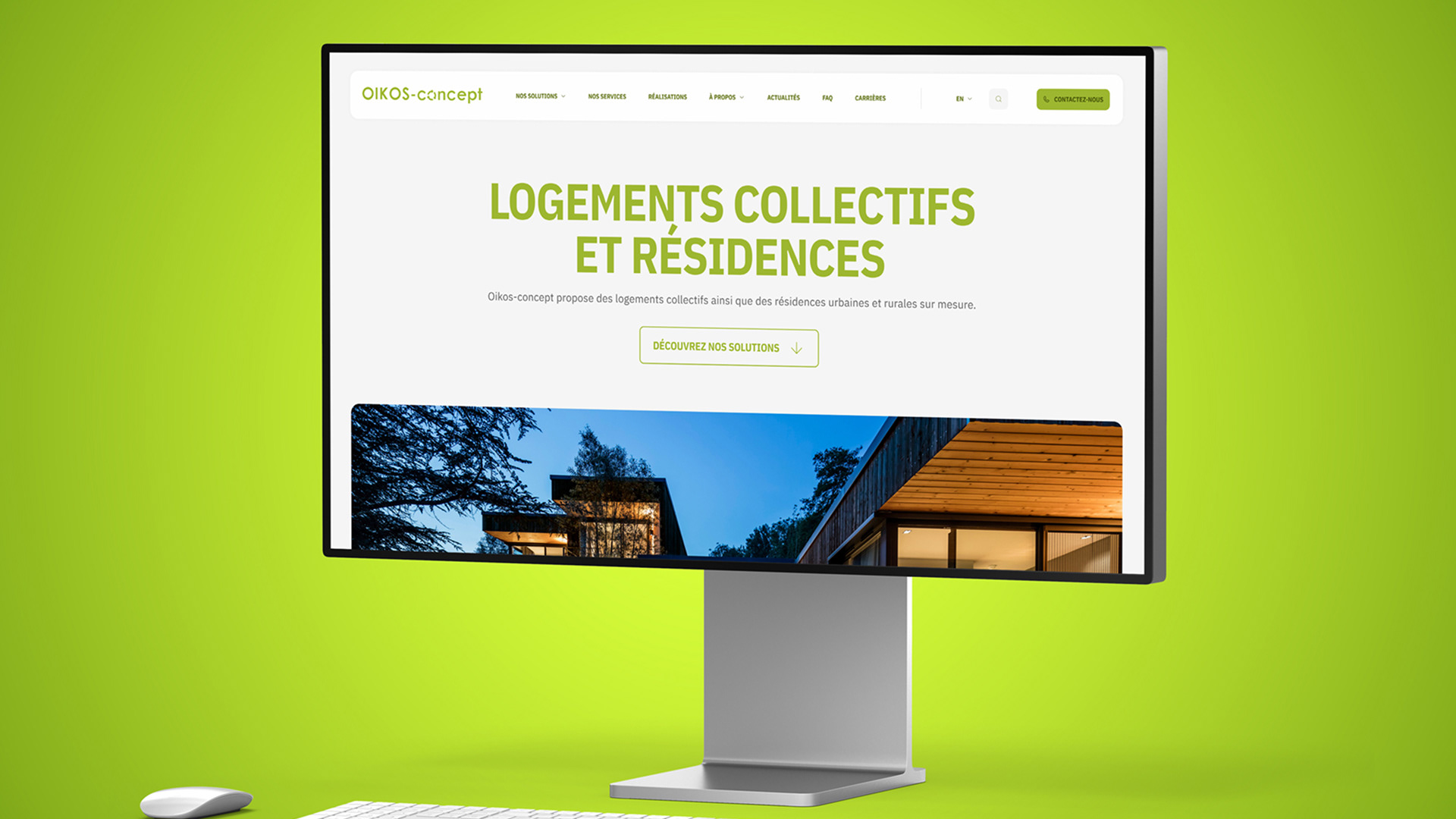
Rather than treating the website as a collection of independent pages, the solution focused on creating a modular digital system aligned with Oikos' construction philosophy.
The redesign introduced:
- Modular information architecture.
- Reusable content blocks.
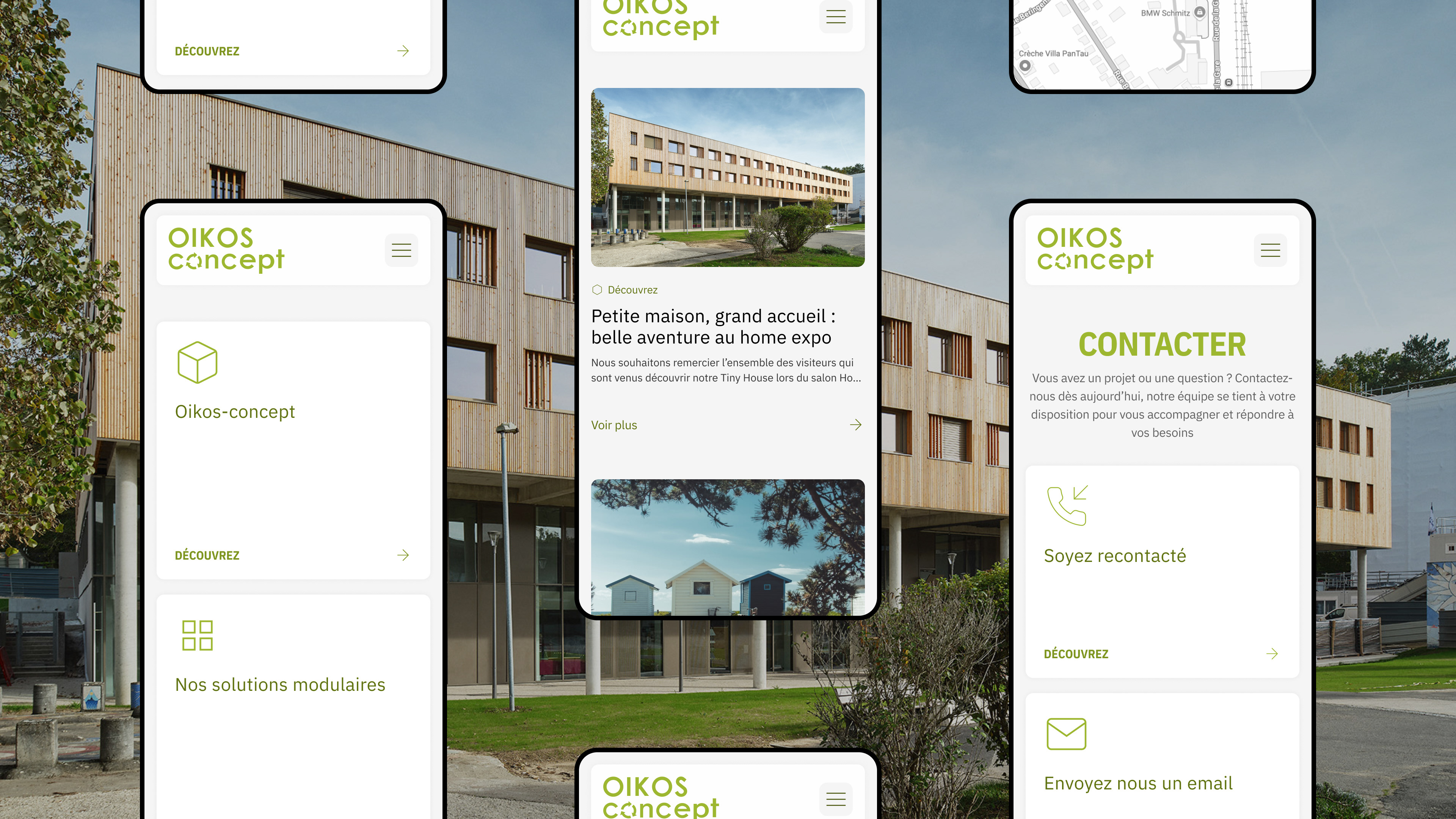
- Responsive layouts across desktop, tablet, and mobile.
- Consistent typography, spacing, and visual hierarchy.
- Design System foundation with reusable UI components.
- Structured developer documentation.
- Reusable content blocks.
- Responsive layouts across desktop, tablet, and mobile.
- Consistent typography, spacing, and visual hierarchy.
- Design System foundation with reusable UI components.
- Structured developer documentation.
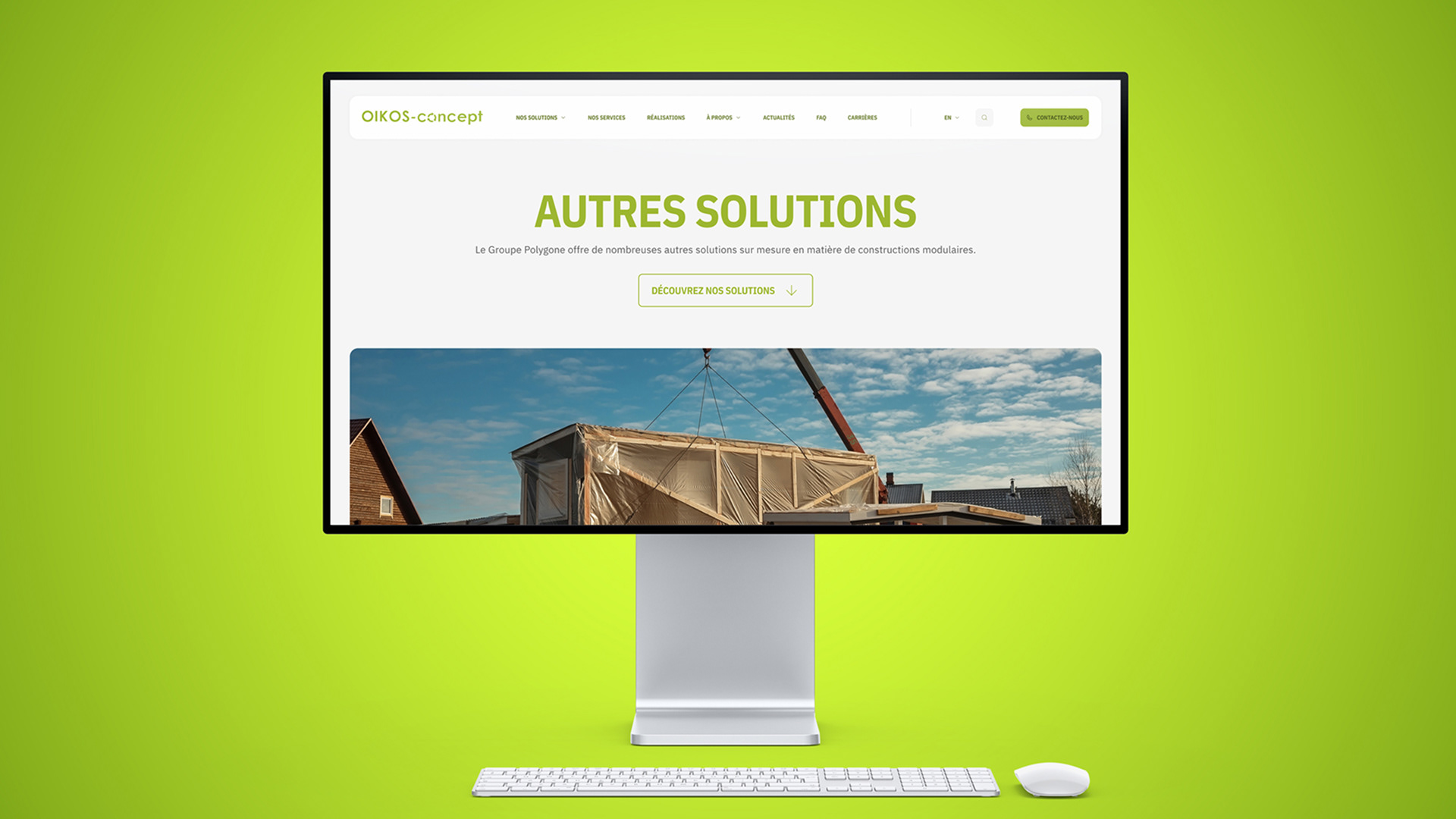
The result was a platform designed to grow alongside the business while maintaining consistency across future products, services, and markets.
Results
- Designed 45 wireframes.
- Created 84 responsive screens across desktop, tablet, and mobile.
- Delivered 3 complete visual concepts.
- Built 15 reusable UI components.
- Reduced design effort by approximately 20%.
- Reduced documentation time by approximately 30%.
- Improved communication of complex engineering and sustainability concepts.
- Established a scalable digital foundation aligned with Oikos' modular business model.
- Designed 45 wireframes.
- Created 84 responsive screens across desktop, tablet, and mobile.
- Delivered 3 complete visual concepts.
- Built 15 reusable UI components.
- Reduced design effort by approximately 20%.
- Reduced documentation time by approximately 30%.
- Improved communication of complex engineering and sustainability concepts.
- Established a scalable digital foundation aligned with Oikos' modular business model.
What I Learned
This project reinforced three important lessons.
Complex products become easier to understand when information architecture is treated as a design discipline rather than a content exercise.
Modular thinking applies as much to digital products as it does to physical products.
AI doesn't replace strategic thinking—it accelerates repetitive work, creating more time to refine structure, interaction quality, and visual execution.
Modular thinking applies as much to digital products as it does to physical products.
AI doesn't replace strategic thinking—it accelerates repetitive work, creating more time to refine structure, interaction quality, and visual execution.
Credits: BAMHUB
Lead Designer: Leandro Rodrigues
Digital Designer: Rafael de Paula